Emergency Dentistry In Marlton, NJ: What To Do For A Broken Tooth, Swelling, Or Sudden Pain

Marlton Modern Dentistry | Emergency Dentistry In Marlton, NJ: What To Do For A Broken Tooth, Swelling, Or Sudden Pain

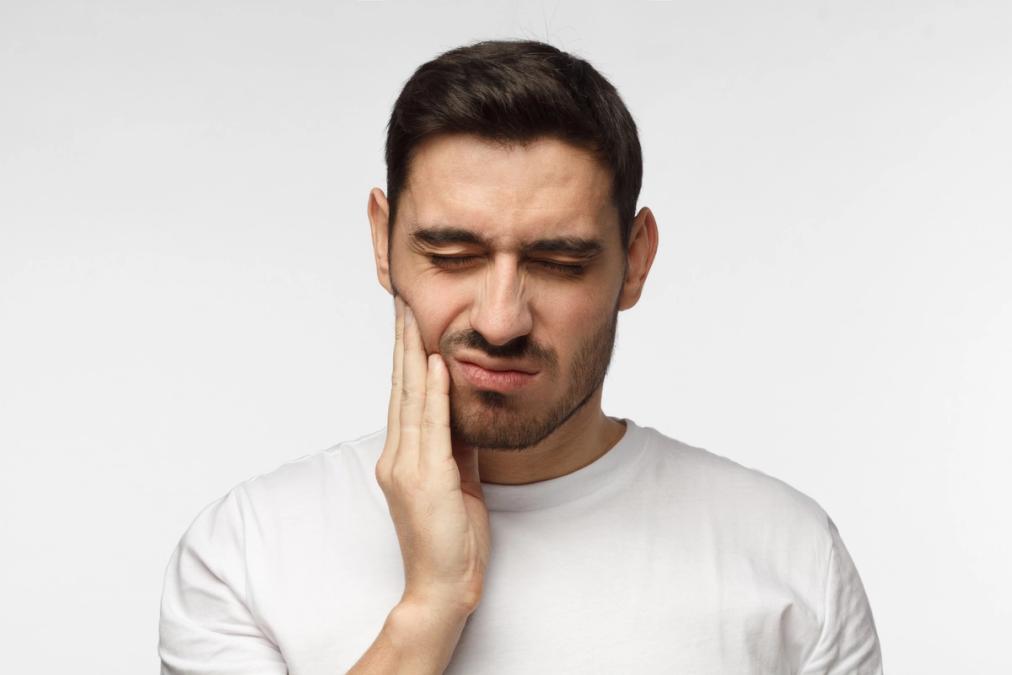
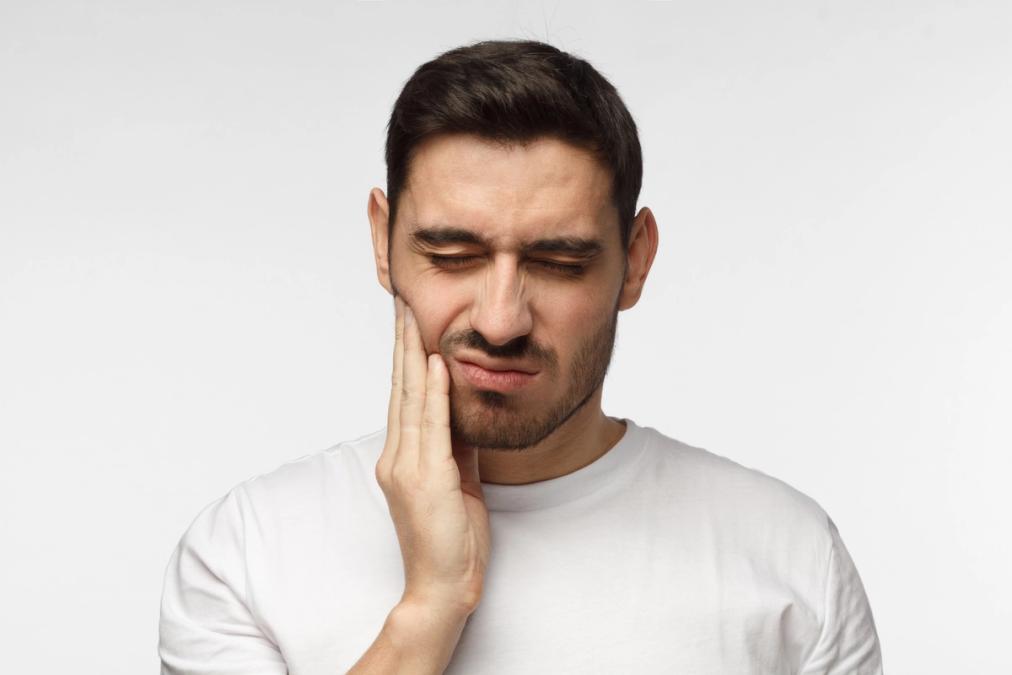
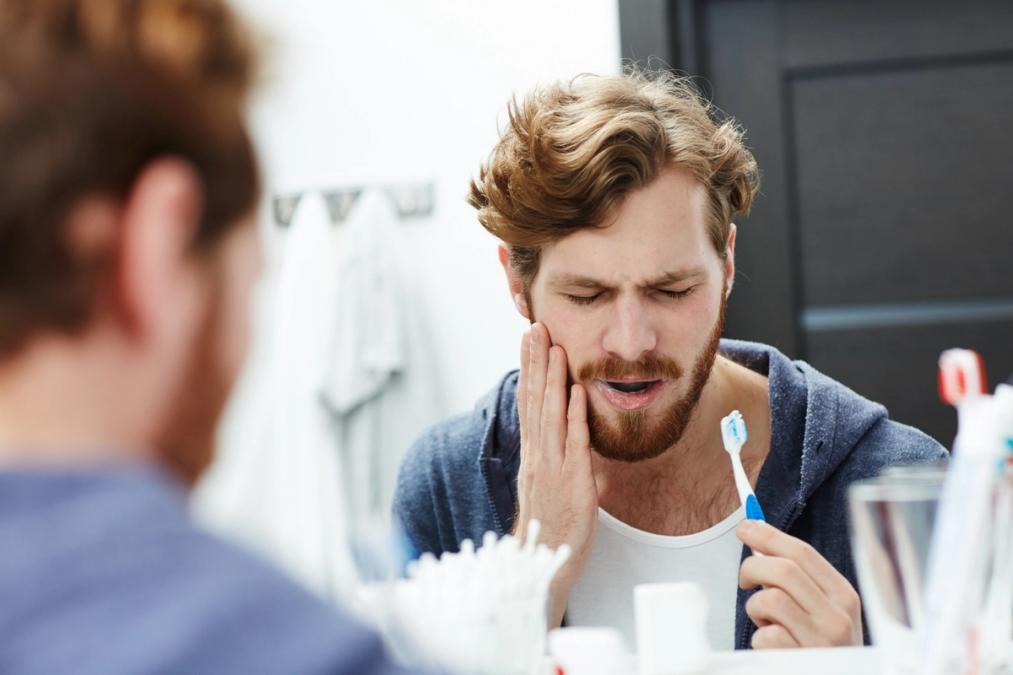
When you’re in pain, dealing with swelling, or staring at a broken tooth in the mirror, it’s hard to think clearly. That’s normal. The most helpful thing you can have in that moment is a plan: what to do right away, what to avoid, and what to expect when you arrive for emergency care.

Emergency dentistry at Marlton Modern Dentistry is designed to provide fast relief, accurate diagnosis, and clear next steps. This guide covers the most common emergencies and practical actions you can take before you’re seen.

What Counts As A Dental Emergency?

Call for urgent dental care if you have:

  • A severe toothache that doesn’t improve
  • Facial or gum swelling
  • A cracked, broken, or fractured tooth
  • A tooth that feels loose after trauma
  • Bleeding that won’t stop
  • A lost filling or crown that causes pain or sharp edges
  • Signs of infection such as swelling, pressure, and tenderness

Even if you’re unsure, calling is better than waiting—especially if swelling is present.

The Big Red Flags

Some situations should be treated as urgent:

  • Swelling that is spreading or worsening
  • Fever combined with dental pain
  • Difficulty swallowing or opening the mouth
  • A knocked-out permanent tooth
  • Persistent bleeding after injury

These are signs that infection or trauma may be more serious, and prompt evaluation is important.

Toothache Triage: Pain Patterns That Matter

Tooth pain can vary widely, and patterns can offer clues:

Quick Sharp Sensitivity

If cold or sweets cause sharp pain that stops quickly, it may be early decay or exposed dentin. It still needs evaluation, but early treatment is often simpler.

Lingering Pain

If hot or cold triggers pain that lingers, the tooth may have deeper irritation. That’s a sign to call sooner rather than later.

Pain When Biting

Pain on biting can indicate a crack, a failing restoration, or bite imbalance. Cracks are sometimes invisible but can create sharp, specific discomfort.

Throbbing With Pressure

A throbbing sensation, especially with swelling, can suggest infection. This shouldn’t wait.

What You Can Do At Home Before Your Visit

Helpful Steps

  • Rinse gently with warm salt water
  • Floss carefully to remove trapped debris
  • Use a cold compress for swelling
  • Take over-the-counter pain relief as directed on the label
  • Avoid chewing on the affected side
  • Keep your head elevated if throbbing worsens when lying down

Avoid These Mistakes

  • Don’t place aspirin directly on gum tissue
  • Don’t use superglue on a crown or tooth
  • Don’t repeatedly poke the area “to check it”
  • Don’t ignore swelling, especially if it’s spreading

If a crown comes off, save it and bring it with you.

Broken Or Cracked Tooth: Why Timing Matters

A crack can start small and worsen quickly under chewing forces. If you suspect a crack:

  • Avoid crunchy foods and hard chewing
  • Keep the area clean
  • Cover sharp edges with dental wax if needed
  • Call for evaluation promptly

Early stabilization can prevent a crack from becoming a deeper fracture that threatens the tooth.

What To Expect At An Emergency Appointment

Emergency dentistry focuses on three priorities:

1) Identify The Cause

We examine the tooth and surrounding tissues and take digital imaging as needed to diagnose accurately.

2) Stop The Pain

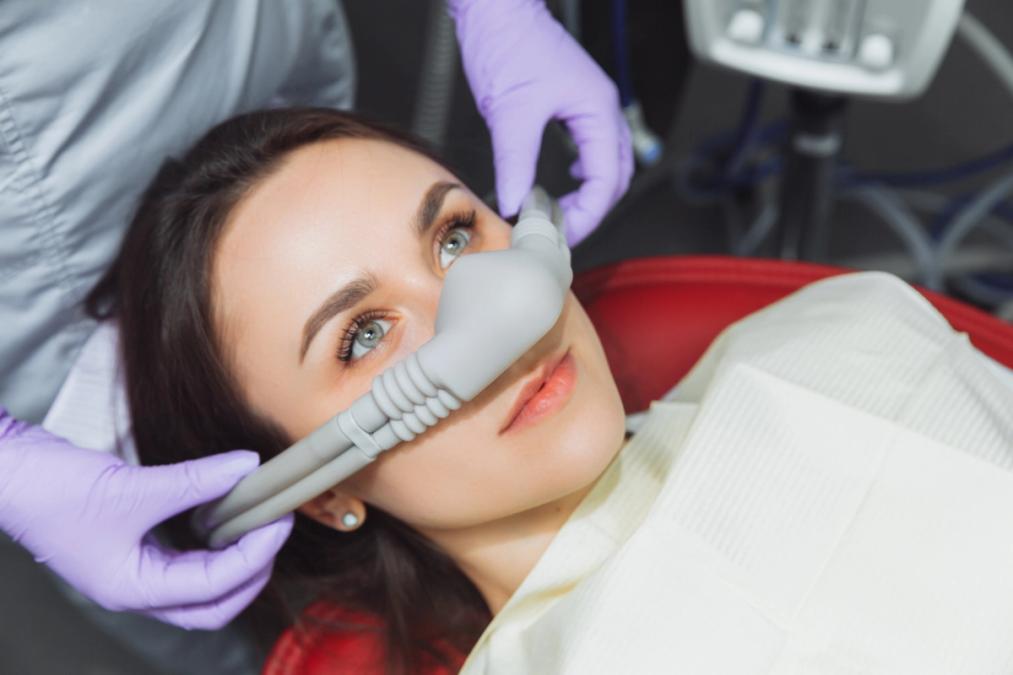
Local anesthesia can numb the area, and we’ll stabilize the problem to reduce discomfort. If anxiety is high, nitrous oxide sedation can help you remain calm and comfortable during care.

3) Stabilize And Plan Next Steps

Some emergencies can be fully treated the same day. Others require a staged approach—stabilize today, complete definitive treatment soon after. Either way, you’ll leave with clarity about what happened and what comes next.

Common Emergency Scenarios

Lost Filling Or Crown

Exposed tooth structure can be sensitive and vulnerable. Stabilizing and protecting it helps prevent deeper damage.

Severe Toothache

We determine whether the cause is decay, bite stress, cracking, or infection, then provide a plan to relieve pain and prevent recurrence.

Swelling

Swelling is often a sign of infection and requires prompt evaluation. The goal is to reduce inflammation and stabilize the source.

Dental Trauma

Even if a tooth looks fine after an impact, trauma can create hidden problems. Evaluation helps confirm stability and determine whether monitoring is needed.

How To Reduce Future Emergencies

Many emergencies have early warning signs:

  • Treat sensitivity early
  • Don’t ignore bite pain
  • Keep preventive visits consistent
  • Address grinding and clenching patterns
  • Wear mouthguards for sports
  • Avoid chewing ice and hard objects

Prevention is often the best emergency plan.

Your Next Step

If you’re dealing with pain, swelling, or a broken tooth, call Marlton Modern Dentistry at 856-702-0777 to Call Us Today for emergency dentistry in Marlton, NJ. We’ll help you get comfortable quickly and guide you toward the right long-term solution.

Start Your Dental Journey With Us

Whether you’re due for a routine checkup or considering a smile transformation, we’re here to help. Dr. Rockwell and our friendly team provide personalized care for patients of all ages in a comfortable setting with TVs, headphones, and warm blankets for your comfort. Contact us today to schedule your visit.


Emergency Dentistry in Marlton, NJ: What Counts?

Marlton Modern Dentistry | Emergency Dentistry in Marlton, NJ: What Counts?

A cracked tooth, sudden swelling, a crown that pops off at the worst possible moment—dental emergencies rarely happen at a convenient time. The key is knowing what to do right away, which situations need urgent attention, and what you can safely do at home until you’re seen. Emergency dentistry at Marlton Modern Dentistry is designed to relieve pain quickly, address infection risks, and stabilize the situation with a clear path forward.

What Counts As A Dental Emergency?

If you’re dealing with pain, swelling, bleeding, or tooth loss, it’s time to call. Common emergencies include:

  • Severe toothache that doesn’t improve
  • Facial swelling, gum swelling, or signs of infection
  • A cracked, broken, or fractured tooth
  • A knocked-out tooth
  • A lost filling, crown, or bridge that causes pain or sharp edges
  • Dental trauma from sports or accidents

Even if you’re not sure it’s an emergency, it’s worth calling. A quick conversation can help you decide the best next step.

Toothache Triage: What Your Symptoms May Suggest

Tooth pain patterns can hint at what’s happening:

  • Sharp pain with cold or sweets: possible decay or exposed dentin
  • Lingering pain with hot/cold: possible nerve inflammation
  • Pain when biting: possible crack, abscess, or bite imbalance
  • Throbbing with swelling: possible infection that needs prompt care

Pain is not always proportional to the severity of the issue, so diagnosis is essential.

What You Can Do At Home (And What To Avoid)

Helpful Steps

  • Rinse gently with warm salt water
  • Floss carefully to remove trapped food
  • Use a cold compress for swelling
  • Take over-the-counter pain relief as directed on the label
  • Keep your head elevated when resting

Avoid These Mistakes

  • Don’t place aspirin directly on gums (it can burn tissue)
  • Don’t use superglue on a crown or tooth
  • Don’t ignore swelling or fever
  • Don’t chew on the affected side “to test it”

Knocked-Out Tooth: The Time-Sensitive Emergency

If a permanent tooth is knocked out, acting fast matters.

  1. Hold the tooth by the crown (not the root).
  2. Rinse briefly if dirty (don’t scrub).
  3. If possible, place it back in the socket gently.
  4. If not possible, store it in milk or saliva.
  5. Call immediately and come in as soon as you can.

What Happens At An Emergency Visit?

Emergency dentistry focuses on two priorities: relief and stability.

  • We take digital imaging as needed to identify the cause
  • We address pain first (numbing and comfort measures)
  • We treat infection risks and damage
  • We outline next steps clearly, so you know exactly what’s coming

Depending on the situation, you may receive a same-day repair, a temporary stabilization, or a plan to complete restorative care after the urgent issue is controlled.

Common Emergency Treatments

Stabilizing A Broken Tooth

We may smooth sharp edges, place a protective temporary, or restore the tooth depending on the fracture type.

Replacing A Lost Filling Or Crown

If a restoration comes loose, it can expose sensitive tooth structure. We’ll restore comfort and protect the tooth until a definitive solution is placed.

Managing Infection Or Swelling

Swelling can indicate infection. We’ll determine whether the tooth can be saved with treatment or whether other steps are needed to resolve the issue safely.

How Emergency Dentistry Helps You Avoid Bigger Problems

Delaying care often turns a manageable issue into a more complex one. Small cracks become big breaks. Early infection becomes swelling and severe pain. A loose crown can lead to deeper damage. Emergency visits are about prevention, too—preventing an urgent problem from escalating.

How To Lower Your Risk Of Future Emergencies

  • Keep regular preventive visits so problems are caught early
  • Wear a mouthguard for sports
  • Address grinding or clenching before it causes fractures
  • Don’t use teeth to open packages or chew ice
  • Don’t ignore early sensitivity or “off” bite feelings

Your Next Step

If you’re in pain or something doesn’t feel right, call Marlton Modern Dentistry at 856-702-0777 to Call Us Today for emergency dentistry in Marlton, NJ. We’ll help you get comfortable fast and guide you to the right long-term solution.

Start Your Dental Journey With Us

Whether you’re due for a routine checkup or considering a smile transformation, we’re here to help. Dr. Rockwell and our friendly team provide personalized care for patients of all ages in a comfortable setting with TVs, headphones, and warm blankets for your comfort. Contact us today to schedule your visit.
Don’t Wait It Out: Why Emergency Dentistry Can Save Your Smile

Marlton Modern Dentistry | Don’t Wait It Out: Why Emergency Dentistry Can Save Your Smile

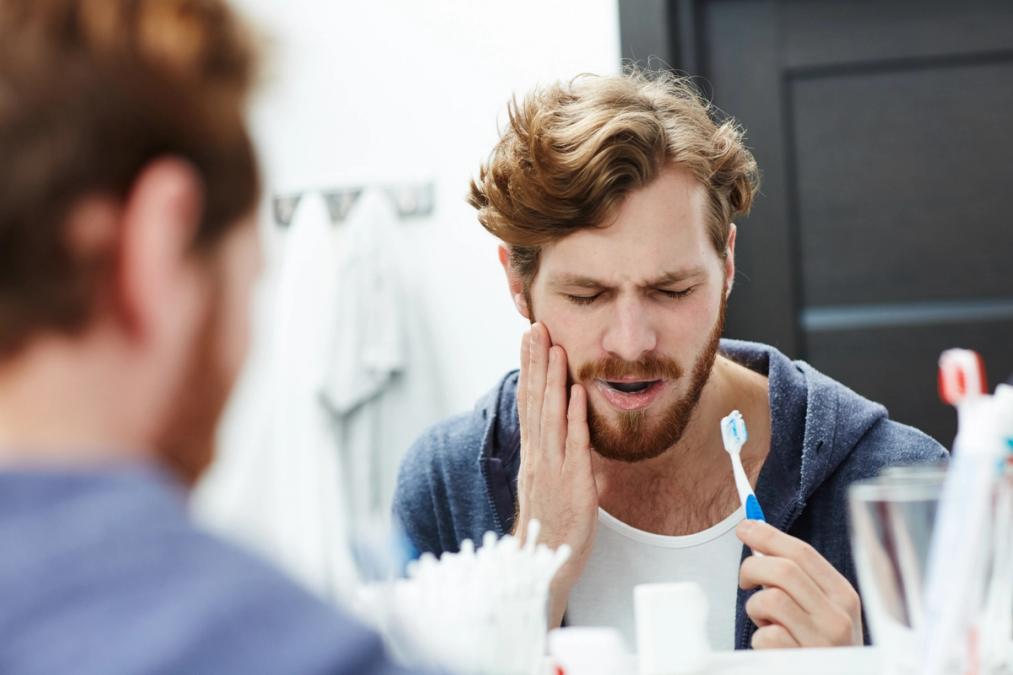
You know that moment of panic when something just feels off with your teeth? A sudden jolt of pain, a cracked tooth, or a swelling that seems to grow by the hour—it’s your body’s way of saying, “Don’t wait.” Dental emergencies don’t follow your schedule. They show up fast, hit hard, and can spiral quickly without proper care.

That’s where emergency dentistry comes in.

At Marlton Modern Dentistry in Marlton, NJ, emergency dental care is all about fast action, expert support, and getting you back to health with as little stress as possible. Whether it’s a weekend toothache or a knocked-out tooth on a Tuesday afternoon, knowing where to go (and what to expect) can make all the difference.

What Counts as a Dental Emergency?

Not every toothache qualifies as an emergency—but many do. If you’re not sure whether you need urgent care, here’s a quick list of situations that definitely qualify for emergency dentistry:

  • Severe tooth pain or pressure
  • Knocked-out or loose permanent tooth
  • Cracked or fractured tooth
  • Dental abscess or facial swelling
  • Bleeding that doesn’t stop
  • Injuries to gums, lips, or inside the mouth
  • Broken restorations (crowns, bridges, fillings) that affect function

Pain is your body’s alarm system. If it’s persistent, severe, or suddenly worse—don’t ignore it.

How Emergency Dentistry Works at Marlton Modern Dentistry

When dental emergencies strike, you don’t want to wait days for help. Marlton Modern Dentistry prioritizes urgent needs with same-day appointments whenever possible. Here’s how it works:

Step 1: Rapid Assessment

You’ll get a quick but thorough evaluation—sometimes including X-rays—to pinpoint the source of the problem and rule out anything more serious, like infection or bone involvement.

Step 2: Immediate Relief

Whether it’s stopping pain, reducing swelling, or stabilizing a damaged tooth, the first step is always about getting you comfortable.

Step 3: Definitive Treatment or Temporary Fix

Some emergencies require more than one visit. If that’s the case, your dentist will provide a temporary solution to hold you over safely and schedule a follow-up for full treatment.

From root canals to urgent extractions, same-day crowns to infection control—emergency dentistry is a blend of precision, speed, and compassion.

What Happens If You Ignore a Dental Emergency?

It’s tempting to tough it out. Maybe the pain comes and goes. Maybe your tooth cracked but doesn’t hurt yet. But here’s the reality: small issues can turn dangerous fast.

  • Infections can spread to your jaw, face, or bloodstream
  • Tooth damage can worsen and lead to extraction
  • Pain can intensify quickly—especially overnight or after trauma
  • Lost teeth are time-sensitive; acting within 30–60 minutes is crucial

Delaying treatment can mean more expensive procedures later. Don’t take the risk—when in doubt, get it checked out.

The Benefits of Prompt Emergency Dental Care

Getting care when you need it most isn’t just about fast pain relief—it can preserve your long-term oral health and overall well-being. Here are some key benefits of emergency dentistry:

1\. Saves Teeth

Immediate care after trauma can mean the difference between saving or losing a tooth. For knocked-out teeth, the American Association of Endodontists recommends re-implantation within an hour for the best outcome.

2\. Prevents Infection

Dental abscesses and deep decay can lead to dangerous infections. Emergency care treats the source, drains infection if necessary, and often includes antibiotics or a root canal to resolve the issue safely.

3\. Minimizes Long-Term Costs

Waiting too long can escalate a small cavity into a full-blown root canal—or a cracked filling into a crown. Emergency treatment stops the spiral and protects your wallet in the long run.

4\. Offers Peace of Mind

The anxiety of not knowing what’s wrong can make everything feel worse. Fast, clear answers from professionals you trust go a long way in helping you feel in control again.

Sources:

  • American Dental Association (ADA)
  • American Association of Endodontists (AAE)
  • Centers for Disease Control and Prevention (CDC)

How to Handle Common Dental Emergencies Until You Get Help

While you should always seek professional care ASAP, here are some at-home steps that can help manage symptoms in the short term:

  • Toothache: Rinse with warm salt water, use over-the-counter pain relievers, and apply a cold compress to the outside of the cheek.
  • Knocked-out tooth: Hold it by the crown (not the root), rinse gently, and try to place it back in the socket. If not possible, store it in milk or saliva and get to the dentist within an hour.
  • Broken crown or filling: Use dental wax or a sugar-free gum to cover any sharp areas and avoid chewing on that side.
  • Swelling: Apply a cold compress and stay upright—don’t lie flat.

And whatever you do— don’t use superglue, home remedies, or delay treatment thinking it’ll fix itself. It won’t.

Preventing Future Dental Emergencies

While some accidents can’t be avoided, many dental emergencies can be prevented with smart habits and regular care:

  • Visit your dentist every 6 months for cleanings and exams
  • Wear a mouthguard during sports or at night if you grind your teeth
  • Don’t use teeth as tools (yes, that means opening packages or bottles)
  • Address small issues early—don’t wait for pain to become your motivator

Keeping your smile healthy isn’t just about maintenance—it’s about reducing your risk of emergencies altogether.

Urgent Care for Your Smile Starts Here

Emergencies don’t schedule appointments, but emergency dentistry at Marlton Modern Dentistry is always ready to respond. Fast treatment not only gets you out of pain—it can save your smile, your time, and your long-term health.

In pain or dealing with a dental crisis? Call Marlton Modern Dentistry now at 856-702-0777 to schedule an emergency dentistry appointment and get the care you need, when you need it.

Start Your Dental Journey With Us

Whether you’re due for a routine checkup or considering a smile transformation, we’re here to help. Dr. Rockwell and our friendly team provide personalized care for patients of all ages in a comfortable setting with TVs, headphones, and warm blankets for your comfort. Contact us today to schedule your visit.
Dental Implants in Marlton — Single, Implant-Supported Bridges, and Full Arch

Marlton Modern Dentistry | Dental Implants in Marlton — Single, Implant-Supported Bridges, and Full Arch

If you could press “reset” on your smile, what would you change—chewing power, confidence, or comfort? Dental implants check all three boxes. Whether you need one tooth replaced, several teeth bridged, or a full arch rebuilt, dental implants provide stable, natural-looking results that protect long-term oral health. Let’s keep it clear, practical, and honest about what dental implants can do for you.

Why Dental Implants Are Different

Dental implants are small titanium posts that act like artificial roots. After placement, your bone gradually bonds to the implant, creating a sturdy base for a crown, bridge, or full arch. Because dental implants replace the root—not just the visible tooth—they help stop bone loss in the jaw. That support keeps your bite stable and your facial shape fuller over time. Just as important, dental implants don’t rely on neighboring teeth for support, which helps preserve healthy enamel.

Single-Tooth Dental Implants

Missing one tooth? A single-tooth dental implant can replace it without touching adjacent teeth. A custom crown is attached to one implant post, matched to your color and shape. Compared to a traditional bridge, this option avoids reshaping the teeth on either side and delivers a bite that feels remarkably natural. People often forget which tooth is the implant after a few weeks because it blends in that seamlessly. If you’ve got a fractured tooth that can’t be saved or a gap that’s been bothering you, single-tooth dental implants offer a strong, long-term fix that protects the rest of your smile.

Implant-Supported Bridges for Multiple Teeth

When two or more teeth are missing in a row, an implant-supported bridge can span the space with fewer implants than one per tooth. For example, two implants may anchor a three- or four-unit bridge. This design spreads chewing forces across the implants and restores your ability to eat comfortably while keeping your gums and bone supported where it matters. Unlike removable partials, an implant bridge doesn’t move, click, or trap food the same way, and cleaning is straightforward with floss threaders or water flossers. For many people, it’s the sweet spot between durability and simplicity.

Full-Arch Dental Implants for Complete Stability

If most or all teeth are missing, full-arch dental implants use a small number of implants—often four to six per jaw—to support an entire row of teeth. These can be fixed in place (you brush them like natural teeth) or removable for easier cleaning, depending on your goals, anatomy, and lifestyle. Full-arch dental implants restore biting strength for foods many people miss—crisp apples, crusty bread, a good steak—while also improving speech and confidence. The transformation is both functional and social: you can laugh, talk, and dine out without worrying about movement or sore spots.

What to Expect from Start to Finish

Your path with dental implants begins with a thorough exam and 3D imaging to evaluate bone, nerves, and sinuses. If a tooth needs extraction, it can sometimes be paired with immediate implant placement; other times, a brief healing period is better. For areas with thin bone, minor grafting helps create a strong foundation. During the healing phase (called osseointegration), a temporary crown or teeth can keep your smile presentable. Once healing is complete, a custom crown, bridge, or full-arch restoration is attached for a natural look and a confident bite.

Everyday Comfort You’ll Notice

Patients often report that dental implants feel “quiet”—no slipping, no pressure sores, no worry about laughter, talking, or the foods you choose. Because the dental implants are anchored in bone, chewing feels confident and speech sounds clear. Hygiene is familiar too: brush twice daily with a soft brush, floss or use interdental tools, and keep your regular cleanings and exams. If you clench or grind, a nightguard helps protect both dental implants and natural teeth.

Benefits (What the Literature Supports)

  • The American Dental Association (ADA) recognizes dental implants as a predictable option to replace missing teeth when placed and maintained appropriately, supporting chewing function and comfort.
  • Professional consensus in prosthodontics notes that dental implants help stabilize or preserve jawbone in the areas where they’re placed, which supports facial contours and long-term bite stability.
  • Peer-reviewed studies report high satisfaction and strong survival rates over many years, particularly when patients maintain good home care, avoid tobacco, and attend routine maintenance visits.

Who’s a Good Candidate?

Most healthy adults can consider dental implants. Stable gums, adequate bone, and well-managed health conditions all help treatment succeed. If you’ve been missing teeth for a long time or wear a denture, don’t count yourself out—bone grafting or different implant designs can expand your options. A candid consultation, pictures, and a 3D scan tell you exactly where you stand and what’s realistic.

Cost, Value, and Longevity

Dental implants are an investment, but they’re designed for the long term. Traditional bridges may need to be replaced more often and can put extra stress on the supporting teeth. With dental implants, each restored tooth is supported by its own “root,” which can reduce the need for future dental work on neighboring teeth. Many patients find that the comfort, confidence, and chewing strength make dental implants a sensible choice over time.

Common Questions People Ask

Will it hurt? With modern anesthesia and gentle techniques, most patients describe implant placement as more comfortable than they expected—often similar to a routine extraction. Mild soreness for a couple of days is typical and usually managed with over-the-counter medication.

How long does it take? Every case is different. Some single implants can be restored quickly; others benefit from a staged approach that protects long-term success. Your plan is built around biology, not a stopwatch, so you get stable results that last.

What about maintenance? Treat implants like natural teeth: daily brushing and flossing, plus regular professional cleanings. Short, consistent checkups help protect your investment for the long haul.

A Practical Way Forward

If you need one tooth replaced, single dental implants avoid involving healthy neighbors. If several teeth are missing, an implant-supported bridge fills the gap securely. If you’re dealing with widespread tooth loss, full-arch dental implants bring back stable, attractive teeth that feel like a part of you. That’s the real promise here: function and confidence, every day.

Ready to talk dental implants? Contact Marlton Modern Dentistry at 856-702-0777 or visit us at 875 NJ-73 h, Marlton, NJ 08053 to Schedule a Consultation and get a personalized plan—single, bridge, or full arch—that fits your goals.

Start Your Dental Journey With Us

Whether you’re due for a routine checkup or considering a smile transformation, we’re here to help. Dr. Rockwell and our friendly team provide personalized care for patients of all ages in a comfortable setting with TVs, headphones, and warm blankets for your comfort. Contact us today to schedule your visit.

Dental Implants in Marlton: A Confident, Long Lasting Solution for Missing Teeth

Marlton Modern Dentistry | Dental Implants in Marlton: A Confident, Long Lasting Solution for Missing Teeth

Have you ever caught yourself smiling with your lips pressed together because of a missing tooth or a loose denture? That split second of hesitation can add up over time. Dental implants are designed to change that story. Instead of worrying about gaps, slipping dentures, or avoiding certain foods, dental implants give you a way to feel secure about your teeth again.

At Marlton Modern Dentistry, dental implants are used to replace single teeth, multiple teeth, or even an entire arch. They are crafted to look and feel natural, so most people around you will not even realize you have them. Even more important, dental implants are built to support your long term oral health, not just your appearance.

What Are Dental Implants?

Dental implants are small titanium posts that act like artificial tooth roots. They are placed into the jawbone, where they gradually bond with the bone over time. This process creates a strong, stable foundation for a custom crown, bridge, or full arch restoration.

A typical dental implants system has three parts:

  • The implant post
  • The abutment, which connects the post and the visible tooth
  • The crown, bridge, or full arch restoration you see when you smile

Because dental implants replace the root, not just the visible part of the tooth, they feel secure and solid when you chew, talk, or laugh. Dental implants also help keep the jawbone more stable by providing stimulation every time you bite down.

Types of Dental Implants You May Consider

Dental implants can be tailored to match your specific needs. At Marlton Modern Dentistry, dental implants are used in several ways to restore comfort and function.

Single tooth dental implant

If you are missing one tooth, a single dental implant can fill that space without affecting the neighboring teeth. A custom crown is attached to the dental implant, matching the color and shape of your natural teeth.

Implant supported bridge

When several teeth in a row are missing, an implant supported bridge can be a great choice. Instead of placing a dental implant for every missing tooth, a few strategic dental implants hold a bridge securely in place. This approach helps protect your jawbone while reducing the number of implants needed.

Full arch or implant supported denture

If you are missing most or all of your teeth in the upper or lower arch, dental implants can support a full arch restoration. With this approach, several dental implants are placed in the jaw and used to anchor a custom full arch bridge or a special type of denture. The result is a solution that feels much more stable than a traditional removable denture.

In every case, dental implants are customized to your smile, your bite, and your goals. The team will review your health history, jawbone condition, and expectations so you understand which type of dental implants may be best for you.

The Dental Implants Process: Step by Step

Understanding the process can make dental implants feel much more approachable. While every person is unique, most journeys follow several key steps.

Consultation and planning

During your first visit, your dentist will examine your mouth, review X rays, and talk with you about your goals. They will check your gums, remaining teeth, and jawbone to see if dental implants are a good fit. This is the time to ask questions and discuss all your options in detail.

Implant placement

Once a plan is in place, the dental implant post or posts are placed into the jawbone. This is done with care and precision, and many patients are surprised at how manageable the experience feels with modern techniques and proper numbing. For patients who feel nervous, sedation options may also be available.

Healing and bonding

After dental implants are placed, the bone needs time to heal and integrate with the titanium. This bonding stage is what gives dental implants their strength and stability. It usually takes a few months, but most people are able to go about daily life with just a few basic restrictions.

Placing the abutment and restoration

Once the dental implants are fully integrated, an abutment is attached and impressions are taken. A custom crown, bridge, or full arch restoration is then created to match your smile. When your restoration is attached, the dental implants look and work very much like natural teeth.

Follow up and maintenance

Dental implants are cared for much like natural teeth. You will brush, floss, and see your dentist for regular preventive visits. With good care, dental implants can last for many years.

Benefits of Dental Implants Supported by Research

Dental implants are one of the most studied and trusted tooth replacement options in modern dentistry. Research has shown that dental implants have high success rates and can remain stable for many years when properly placed and cared for.

One major benefit of dental implants is bone preservation. When a tooth is lost, the jawbone in that area can begin to shrink over time. Dental implants help protect the bone by acting like natural roots, providing stimulation that encourages the bone to stay strong.

Dental implants also support neighboring teeth. Instead of relying on nearby teeth to hold a bridge in place, dental implants stand on their own. That means healthy teeth do not have to be reshaped, and your bite can stay more balanced.

From a quality of life standpoint, this implant treatment lets many people enjoy foods they might avoid with traditional dentures, such as crisp fruits, crusty bread, or corn on the cob. They can also make speaking feel easier, since the restoration is securely anchored and does not shift.

Are You a Candidate for Dental Implants?

Many people are surprised to learn they qualify for dental implants, even if they have been missing teeth for years. Good candidates for dental implants usually have:

  • Healthy gums
  • Enough jawbone to support the implant, or the ability to build bone with grafting
  • A commitment to daily brushing and flossing
  • No uncontrolled medical conditions that affect healing

During your consultation, your dentist will review your health history and may suggest additional steps such as bone grafting or gum treatment to prepare for dental implants. The goal is to make sure dental implants are safe, stable, and set up for long term success.

Dental Implants and Your Daily Routine

Living with dental implants tends to feel very natural. Once your dental implants and restorations are in place, you will care for them much like your natural teeth. Brushing twice a day, flossing once a day, and seeing your dentist regularly are key.

It can also help to avoid using your teeth as tools. Opening packages or biting very hard objects can damage any teeth or restorations, including dental implants. Wearing a nightguard may be recommended if you grind or clench your teeth in your sleep, since that extra pressure can affect this implant treatment over time.

A Well Rounded Summary of Dental Implants

Dental implants offer a strong, natural looking way to replace missing teeth and restore comfort, confidence, and function. Whether you need a single tooth replaced, an implant supported bridge, or a full arch solution, dental implants are designed to support your bite, your bone, and your smile.

They stand out because they act like real tooth roots, protect the jawbone, and work with your everyday routines. Backed by years of research and clinical experience, dental implants are a reliable choice for many adults who want a long lasting solution.

If you are ready to explore whether dental implants are right for you, now is a great time to learn more. Contact Marlton Modern Dentistry at 875 NJ-73 h, Marlton, NJ 08053 or call 856-702-0777 to schedule a consultation and discover how dental implants could help you enjoy your favorite foods and smile with confidence again.

Start Your Dental Journey With Us

Whether you’re due for a routine checkup or considering a smile transformation, we’re here to help. Dr. Rockwell and our friendly team provide personalized care for patients of all ages in a comfortable setting with TVs, headphones, and warm blankets for your comfort. Contact us today to schedule your visit.

Dental Crowns In Marlton, NJ: When You Need One, Materials, Process, And Care

Marlton Modern Dentistry | Dental Crowns In Marlton, NJ: When You Need One, Materials, Process, And Care

A chipped molar, a cracked filling, lingering sensitivity—these issues can make you wonder whether a simple filling will do or if you need a full-coverage solution. Dental crowns are one of the most reliable ways to restore strength, protect weakened teeth, and keep your bite comfortable for the long term. This patient-friendly guide explains when crowns are recommended, which materials make sense, what the process looks like, and how to keep your new crown performing beautifully for years.

What A Crown Actually Does

Think of a crown as a protective “helmet” for a compromised tooth. It covers the visible portion of the tooth above the gumline, redistributing biting forces and sealing the underlying structure from bacteria. Crowns are commonly recommended when a tooth is cracked, has large or failing fillings, has undergone root canal therapy, or shows significant wear from clenching and grinding. Because a crown encases the tooth, it can prevent fractures that might otherwise require extraction.

Signs You Might Need A Crown

  • A tooth that aches when chewing or is tender to pressure
  • A visible crack line or craze lines with sharp pain to cold
  • A large cavity that would leave too little healthy enamel for a durable filling
  • A tooth that had a root canal, which often needs reinforcement
  • Worn-down teeth from grinding that have lost normal height

If you’re unsure, the best first step is a conservative evaluation with digital imaging. We’ll explain all options—sometimes an onlay or filling is sufficient, and we’ll always recommend the most conservative route that will last.

Crown Materials: Which One Is Right For You?

Modern materials are strong, natural-looking, and tailored to your bite and aesthetic goals.

  • All-Ceramic (Porcelain/Zirconia-Based): Excellent for front teeth and many molars; blends with surrounding enamel while offering high strength.
  • Zirconia: Extremely durable; ideal for back teeth with heavy bite forces or for patients who clench.
  • Porcelain-Fused-to-Zirconia: Aesthetic outer porcelain with a strong core—useful when both beauty and durability are key.

The Step-By-Step Crown Process

  1. Diagnosis & Treatment Plan: We examine the tooth, review digital X-rays, and discuss options and timelines.
  2. Tooth Preparation: After numbing for comfort, we remove weakened areas and shape the tooth for a precise fit.
  3. Digital Impressions: Instead of goop, digital scans capture exact contours for an accurate, comfortable result.
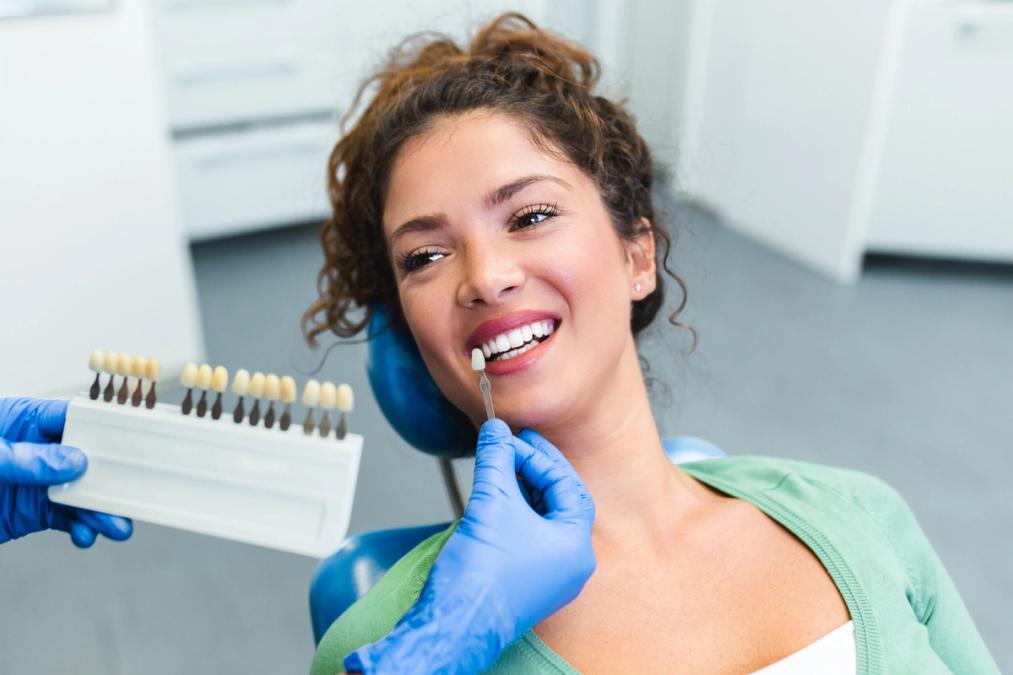
  4. Shade & Design: We match color, translucency, and anatomy to your smile and bite.
  5. Temporary Crown: You’ll leave with a smooth temporary that protects your tooth while the final crown is crafted.
  6. Final Placement: At your delivery visit, we check the fit and bite, then bond the crown securely. You’ll bite, chew, and smile with confidence.

After A Root Canal: Why Crowns Matter

Back teeth that have had endodontic treatment are more brittle. A well-made crown restores strength and helps prevent vertical fractures—the kind that can end a tooth’s lifespan. If your provider recommends a crown after a root canal, the goal is prevention as much as restoration.

Bite Comfort And Sensitivity

It’s normal to feel mild temperature sensitivity for a few days. What shouldn’t persist is a “high” bite or soreness when chewing. If anything feels off, call us—we’ll make small adjustments to balance forces so your jaw and tooth feel natural again.

Caring For Your Crown

  • Brush and floss daily. Floss normally; don’t skip the crowned tooth.
  • Mind your habits. Avoid chewing ice or opening packages with your teeth.
  • Protect from grinding. A custom night guard cushions bite forces and preserves your investment.
  • Keep six-month visits. Professional cleanings and periodic X-rays help catch small issues around margins early.

How Long Do Crowns Last?

With great home care, balanced bite forces, and routine checkups, many crowns last 10–15+ years. Material choice and technique matter, and so does wearing a night guard if you clench.

Your Next Step

If a tooth feels weak, sensitive, or keeps chipping, let’s stabilize it before a bigger break happens. Call Marlton Modern Dentistry at 856-702-0777 to Book an Appointment in Marlton, NJ. We’ll confirm whether a crown—or a more conservative option—is the right move for your long-term comfort and smile.

Start Your Dental Journey With Us

Whether you’re due for a routine checkup or considering a smile transformation, we’re here to help. Dr. Rockwell and our friendly team provide personalized care for patients of all ages in a comfortable setting with TVs, headphones, and warm blankets for your comfort. Contact us today to schedule your visit.

Why All-on-4 Fixed Implants Are the Ultimate Solution for Missing Teeth

Marlton Modern Dentistry | Why All-on-4 Fixed Implants Are the Ultimate Solution for Missing Teeth

Losing your teeth doesn’t just affect how you look—it affects how you eat, speak, and interact with the world. But when the idea of wearing dentures feels like a step back, what if there was a way to permanently restore your smile in just one day?

Say hello to All-on-4 fixed implants—a full-arch restoration that gives you secure, natural-looking teeth without the drawbacks of traditional dentures.

At Marlton Modern Dentistry in Marlton, NJ, this revolutionary technique is changing lives for patients who are tired of temporary fixes. Let’s take a closer look at how it works, who it’s for, and why it just might be the smile solution you’ve been waiting for.

What Are All-on-4 Fixed Implants?

All-on-4 is a type of full-arch implant system where four strategically placed dental implants support an entire set of fixed replacement teeth. Instead of replacing each tooth individually with its own implant, this method uses just four implants per arch (upper, lower, or both) to hold a secure, permanent denture.

The best part? In many cases, your new smile is placed the same day as the implants—giving you a fully functioning, life-ready smile right out of the gate.

It’s called “All-on-4” because all your new teeth sit securely on four implants. Clever name. Even better results.

How It’s Different from Traditional Dentures or Individual Implants

The All-on-4 approach stands in a league of its own, offering both immediacy and long-term durability. Here’s how it compares to other options:

  • Versus traditional dentures: All-on-4 implants are fixed in place. They don’t come out at night. They don’t require adhesives. And they don’t shift or click while you eat or talk.
  • Versus individual implants: You don’t need an implant for every tooth. Just four (sometimes six) are placed at specific angles to maximize bone contact and distribute bite forces evenly.
  • Versus snap-in dentures: Snap-in dentures are removable and offer more stability than traditional dentures—but All-on-4 offers permanent, fixed teeth that feel like your own.

The Procedure: What to Expect with All-on-4

Thinking it sounds too good to be true? Let’s break it down. The All-on-4 process is surprisingly efficient and designed to minimize discomfort and downtime.

Step 1: Comprehensive Evaluation

Dr. Rockwell and the team at Marlton Modern Dentistry will take detailed 3D scans of your mouth and jaw to assess bone health, shape, and spacing. This helps determine if All-on-4 is right for you—and how best to customize your treatment.

Step 2: Implant Placement

Under local anesthesia (with sedation options available), four implants are placed into the jaw. Two are angled in the back to avoid sinuses or low bone areas. This strategic placement is what makes All-on-4 possible even for patients with bone loss.

Step 3: Temporary Teeth

In many cases, a set of temporary, natural-looking teeth is attached the same day. You walk out with a full smile—no waiting months with gaps.

Step 4: Healing and Integration

Over 3–6 months, the implants fuse to your jawbone in a process called osseointegration. Once fully healed, your permanent prosthetic is attached for a rock-solid, ready-for-anything smile.

The Big Benefits of All-on-4 Fixed Implants

Let’s get into the real reasons people love this treatment—because it’s not just about teeth. It’s about life.

1\. Immediate Results

Walk in with compromised or missing teeth, walk out with a full, functional smile. The All-on-4 method often allows for same-day smile delivery, skipping the long healing gaps of traditional implants.

2\. Fewer Implants, Full Arch

Thanks to smart placement and advanced imaging, just four implants can support a full upper or lower arch of teeth—minimizing surgery and maximizing outcomes.

3\. Bone Preservation

Implants stimulate the jawbone just like natural tooth roots, helping prevent bone loss and the sunken appearance that often accompanies missing teeth.

4\. Eat What You Want

Steak, corn, apples, nuts—no problem. All-on-4 teeth function like natural teeth, giving you back the freedom to enjoy your favorite foods without hesitation.

5\. Permanent, No-Slip Fit

Unlike removable dentures, these don’t shift, slide, or require nightly removal. You care for them like real teeth—brush, floss (with special tools), and rinse.

6\. Natural Look and Feel

Custom-designed to fit your face, bite, and preferences, these prosthetics look real, feel comfortable, and are built to last.

Supported by: Clinical research from the Journal of Clinical Implant Dentistry, The International Congress of Oral Implantologists, and the American Academy of Implant Dentistry all confirm the high success rate (95%+) and patient satisfaction of the All-on-4 technique.

Are You a Candidate for All-on-4?

If you’re missing most or all of your teeth—or facing multiple extractions—and you want a permanent, stable solution, you’re likely a candidate. Here’s what makes someone a good fit:

  • Missing full upper or lower arch of teeth
  • Adequate bone density or willingness to undergo grafting
  • Good overall health and non-smoker (or willing to quit)
  • Committed to long-term oral hygiene

Even if you’ve been told you don’t qualify for traditional implants, the All-on-4 method might still be an option thanks to its unique implant angles and design.

Caring for Your All-on-4 Smile

Once your implants are healed and your permanent teeth are in, maintenance is simple:

  • Brush twice a day with a soft-bristle brush
  • Use water flossers or interdental brushes to clean around the prosthetic
  • Avoid sticky, hard candies and chewing ice
  • Visit your dentist every 6 months for professional cleanings and implant checks

These prosthetics are strong, but like anything in life, they last longest with care.

Life’s Too Short for Loose Dentures

All-on-4 fixed implants give you a fresh start—without compromise. You don’t have to choose between comfort and confidence, or between appearance and function. This is the real deal. A complete, secure, beautiful smile that stays with you, day and night.

Ready to see if All-on-4 fixed implants are the right fit for your lifestyle and goals? Call Marlton Modern Dentistry at 856-702-0777 to schedule your consultation and take the first step toward a brand new smile.

Start Your Dental Journey With Us

Whether you’re due for a routine checkup or considering a smile transformation, we’re here to help. Dr. Rockwell and our friendly team provide personalized care for patients of all ages in a comfortable setting with TVs, headphones, and warm blankets for your comfort. Contact us today to schedule your visit.
Take the Edge Off: How Nitrous Oxide Sedation Makes Dental Visits Easier

Marlton Modern Dentistry | Take the Edge Off: How Nitrous Oxide Sedation Makes Dental Visits Easier

Let’s be honest—no one throws a party when it’s time for a dental appointment. And for some people, even the idea of stepping into a dentist’s office can trigger sweaty palms, racing thoughts, and that telltale knot in the stomach. Sound familiar?

If dental anxiety is more than just nerves for you, you’re not alone. But you do have options—and one of the most trusted, gentle ones is nitrous oxide sedation.

Commonly nicknamed “laughing gas,” nitrous oxide is the unsung hero of stress-free dental care. At Marlton Modern Dentistry in Marlton, NJ, patients of all ages use it to stay calm, comfortable, and in control—without the groggy aftermath or dramatic side effects.

Let’s unpack how it works, why it’s safe, and who it’s perfect for.

What Is Nitrous Oxide Sedation?

Nitrous oxide sedation is a mild inhaled sedative that helps patients feel relaxed during dental treatment. It’s administered through a small mask placed over your nose—just breathe in normally, and within minutes, you’ll feel lighter, calmer, and… well, kind of floaty.

It won’t knock you out. You stay awake, can respond to questions, and are fully aware of what’s happening—you just don’t feel stressed about it.

Even better? Once your appointment ends, the effects wear off almost immediately. A few deep breaths of pure oxygen, and you’re clear-headed, safe to drive home, and probably wondering why you ever felt nervous in the first place.

Who Is Nitrous Oxide Sedation For?

This type of sedation is ideal for people who experience:

  • Mild to moderate dental anxiety
  • A strong gag reflex
  • Sensitivity to sounds, smells, or sensations in the dental chair
  • Trouble sitting still for long periods
  • Fear of needles or drills

It’s also great for kids, teens, and adults alike. Because it’s so gentle and fast-acting, nitrous oxide is often the go-to option for people who just need help taking the edge off.

How It Works: Step-by-Step

Curious about what to expect with nitrous oxide sedation at Marlton Modern Dentistry? Here’s the play-by-play.

Step 1: Quick Setup

Once you’re comfortably settled in the chair, a small nasal mask is placed over your nose. You’ll be breathing in a mixture of nitrous oxide and oxygen—usually about 30% nitrous and 70% oxygen, though the ratio can be adjusted to your comfort.

Step 2: Gentle Lift-Off

Within 2 to 3 minutes, you’ll begin to feel the effects—think light tingling in your fingers and toes, a feeling of warmth, and a mellow, floaty calm. Some people even get the giggles (hence the name “laughing gas”).

Step 3: Treatment Time

While you’re under sedation, your dental treatment begins. You’ll still be aware and able to communicate, but anxiety and discomfort fade into the background.

Step 4: Back to Normal

Once the treatment is over, the gas is turned off and you’re given 100% oxygen to breathe for a few minutes. The effects wear off quickly—so quickly, in fact, that most patients can drive themselves home without issue.

Safety First: Is Nitrous Oxide Sedation Safe?

Absolutely. Nitrous oxide is one of the safest sedation methods in dentistry and has been used for over 150 years. It’s widely recommended by the American Dental Association and approved by the FDA.

Here’s why it earns its reputation for safety:

  • It’s non-addictive and non-allergenic
  • The effects wear off within minutes
  • It doesn’t affect your organs or memory
  • Doses are carefully controlled and adjustable at all times

For most healthy patients, nitrous oxide is incredibly well tolerated. However, it’s not recommended for people in their first trimester of pregnancy, those with certain respiratory conditions, or people with a vitamin B12 deficiency (rare, but relevant).

If you have any medical conditions or concerns, the team at Marlton Modern Dentistry will always review your health history and make sure sedation is a safe choice for you.

Real Benefits, Real Relief

Let’s talk about what nitrous oxide actually does for patients—because it’s more than just a nice-to-have.

1\. Reduces Anxiety

Whether you’re having a filling, a cleaning, or a crown placed, nitrous oxide keeps anxiety from taking over. You’ll feel more relaxed and less panicked, even if you’ve had bad dental experiences in the past.

2\. Minimizes Gag Reflex

Some patients have an exaggerated gag reflex that can make even a simple cleaning feel impossible. Nitrous oxide helps reduce this reflex, making procedures smoother and faster.

3\. Improves Treatment Efficiency

When patients feel calm and comfortable, dentists can work more efficiently. That means fewer appointments, fewer interruptions, and less overall chair time for you.

4\. Quick Recovery

Unlike oral sedation or IV sedation, nitrous oxide wears off fast. There’s no need for someone to drive you home, no grogginess for the rest of the day, and no downtime needed.

Professional sources: American Dental Association (ADA), Journal of the American Dental Association (JADA), and the National Institutes of Health (NIH) confirm the efficacy and safety of nitrous oxide sedation when used under professional care.

How Nitrous Oxide Fits into the Bigger Picture

At Marlton Modern Dentistry, nitrous oxide sedation isn’t used in isolation. It’s part of a patient-first approach that makes your experience more comfortable from start to finish.

You might not need sedation for every visit—but knowing it’s there? That’s empowering.

Many patients start with nitrous oxide for one procedure, realize how manageable the experience becomes, and build enough confidence to return without fear next time. It’s like training wheels for your dental anxiety.

What to Do Before and After Your Appointment

One of the best things about nitrous oxide sedation? There’s very little prep or post-care required. Still, here are a few simple things to keep in mind:

  • Avoid heavy meals right before your appointment—light snacks are fine
  • Let your dentist know about any medications you’re taking
  • Plan to rest for a bit afterward, just in case you feel extra relaxed (but you’ll likely be fine to resume normal activity)
  • Brush and floss as usual afterward—there’s no special recovery process

What If You’re Still Nervous?

That’s totally okay. Dental fear isn’t something to be ashamed of. What matters is that you take the first step—and having sedation options like nitrous oxide can make that step feel less overwhelming.

Dr. Rockwell and the team at Marlton Modern Dentistry understand the mental side of dentistry just as much as the physical. You’ll be heard, respected, and never pressured into treatment without comfort top of mind.

Breathe Easy with Gentle Sedation

Dental visits shouldn’t be scary—or something you put off until it hurts. Nitrous oxide sedation offers a calm, comfortable solution that helps you get the care you need without the fear.

If you think nitrous oxide sedation could help you feel more confident about dental treatment, call Marlton Modern Dentistry at 856-702-0777 and schedule your consultation today.

Start Your Dental Journey With Us

Whether you’re due for a routine checkup or considering a smile transformation, we’re here to help. Dr. Rockwell and our friendly team provide personalized care for patients of all ages in a comfortable setting with TVs, headphones, and warm blankets for your comfort. Contact us today to schedule your visit.
Snap Back Your Smile: Why Snap-In Dentures Are a Game-Changer

Marlton Modern Dentistry | Snap Back Your Smile: Why Snap-In Dentures Are a Game-Changer

Let’s face it—traditional dentures have a bit of a reputation. They can slip, clack, irritate, and even surprise you at the worst moments (hello, dinner party mishap). But tooth loss doesn’t mean settling for that old-school experience anymore.

Enter snap-in dentures.

Also called implant-retained or overdentures, snap-in dentures combine the stability of dental implants with the flexibility of removable prosthetics. They “snap” securely into place—no more messy adhesives or awkward shifting—and they’re changing the way people think about dentures entirely.

At Marlton Modern Dentistry in Marlton, NJ, snap-in dentures are helping patients eat, speak, and smile with confidence again. So let’s take a look at how they work, who they’re for, and why so many people are making the switch.

What Are Snap-In Dentures?

Snap-in dentures are a type of removable denture that attaches securely to dental implants embedded in the jaw. Instead of sitting loosely on the gums like traditional dentures, these prosthetics “snap” into specially placed implants using small anchors or attachments.

Typically, 2 to 6 implants are placed depending on the jaw and bone density. The dentures themselves are customized to fit your mouth and clip onto the implants—offering better grip, less movement, and way more comfort.

Unlike traditional full dentures, which rely on suction or adhesive, snap-in dentures stay put while still being removable for cleaning or sleeping.

How Snap-In Dentures Are Different from Traditional Dentures

While both options replace a full set of teeth, they offer very different experiences.

Traditional dentures:

  • Rely on suction, adhesive, or the shape of your mouth to stay in place
  • Can slip or shift during meals or speech
  • Often cause sore spots or discomfort on the gums
  • May feel bulky or unstable, especially over time

Snap-in dentures:

  • Attach to implants, so they’re secure and steady
  • Are more comfortable due to less gum pressure
  • Offer better chewing power (think apples, steak, corn on the cob)
  • Don’t require denture paste or constant adjustments

It’s not just a small upgrade—it’s a whole new level of freedom and confidence.

The Benefits of Snap-In Dentures (Backed by Research)

If you’re considering replacing multiple teeth or upgrading from traditional dentures, the benefits of snap-in dentures are pretty compelling.

1\. Improved Stability and Function

According to the Journal of Prosthodontics, snap-in dentures significantly improve retention and chewing efficiency compared to traditional dentures. That means better nutrition, easier eating, and fewer embarrassing moments.

2\. Jawbone Preservation

The implants used in snap-in dentures help prevent bone loss by stimulating the jaw—just like natural tooth roots. This maintains facial structure and reduces that “sunken in” look that often comes with long-term denture use.

3\. Easier Speaking

Loose dentures can make certain sounds difficult, leading to speech issues. Snap-in dentures don’t slip, so you can speak clearly and confidently.

4\. Increased Comfort

With less pressure on your gums and a more natural fit, snap-in dentures tend to feel more like real teeth. They also reduce the need for frequent relining or adjustments.

5\. Boost in Confidence

Let’s be honest—when you’re not worried about your teeth sliding around, you smile more, laugh louder, and live bigger. That’s what this is really about.

Sources:

  • Journal of Oral Implantology
  • The American Academy of Implant Dentistry (AAID)
  • Clinical studies published in the Journal of Prosthodontics and International Journal of Oral & Maxillofacial Implants

What’s the Process Like?

Getting snap-in dentures is a bit of a journey, but one that’s absolutely worth the result. Here’s how it typically works at Marlton Modern Dentistry:

Step 1: Consultation & Imaging

Dr. Rockwell and the team will evaluate your oral health, take digital scans, and assess bone density to determine if you’re a candidate for dental implants.

Step 2: Implant Placement

2–6 implants are surgically placed into your jawbone. This is done under local anesthesia, and healing usually takes 3–6 months as the implants integrate with your bone.

Step 3: Temporary Denture (Optional)

You may be given a temporary denture to wear while your implants heal, so you’re never without teeth.

Step 4: Custom Snap-In Denture Design

Once healing is complete, custom dentures are created to fit precisely and attach to your implants. These dentures “snap” onto small abutments on the implants for a secure fit.

Step 5: Fitting & Adjustment

After trying in your new smile, small tweaks are made for comfort and function. You’ll also learn how to remove, clean, and care for them properly.

Who’s a Good Candidate for Snap-In Dentures?

This option is great for patients who:

  • Are missing most or all of their teeth
  • Are currently using (and struggling with) traditional dentures
  • Have adequate bone in the jaw or are willing to undergo bone grafting
  • Want better retention and quality of life without the cost of full fixed implants

Even if you’ve been wearing dentures for years, you may still qualify. The team at Marlton Modern Dentistry will guide you through every step of evaluating your options.

Caring for Snap-In Dentures

Although snap-in dentures offer more convenience and security, they still need proper care to stay fresh and functional:

  • Remove them nightly for cleaning
  • Brush the denture with a soft brush and non-abrasive cleanser
  • Clean around the implant abutments daily
  • Schedule regular checkups to monitor your implants and oral health

With good maintenance, your snap-in dentures can last for years—and the implants themselves can last decades.

Smile Securely, Live Fully

Tooth loss doesn’t have to mean sacrifice. Snap-in dentures offer the stability, comfort, and confidence that so many traditional denture wearers wish they had from the start. It’s a modern solution for a modern lifestyle—and the smile upgrade you didn’t know was possible.

Ready to see how snap-in dentures can change the way you eat, speak, and smile? Contact Marlton Modern Dentistry at 856-702-0777 to schedule a consultation and explore your personalized treatment plan.

Start Your Dental Journey With Us

Whether you’re due for a routine checkup or considering a smile transformation, we’re here to help. Dr. Rockwell and our friendly team provide personalized care for patients of all ages in a comfortable setting with TVs, headphones, and warm blankets for your comfort. Contact us today to schedule your visit.

How Cosmetic Dentistry Can Elevate More Than Just Your Looks

Marlton Modern Dentistry | How Cosmetic Dentistry Can Elevate More Than Just Your Looks

Here’s something worth chewing on—when you smile, what message are you sending? Friendly? Confident? Or maybe you try not to smile too much because something’s just… off. A chip here, a gap there, a stain that refuses to budge. You’re not alone—and you’re not stuck with it.

Cosmetic dentistry isn’t about vanity. It’s about owning your look, feeling good in your skin, and making your smile something you want to show off. And at Marlton Modern Dentistry in Marlton, NJ, cosmetic treatments are custom-tailored to make that happen—comfortably, affordably, and beautifully.

Let’s explore how cosmetic dentistry can be both a personal confidence boost and a step toward better oral health.

What Is Cosmetic Dentistry, Really?

Cosmetic dentistry focuses on improving the appearance of your teeth, gums, and overall smile. But that doesn’t mean it’s just about aesthetics. Many cosmetic procedures also support function, alignment, and long-term dental health.

Common cosmetic treatments include:

  • Teeth whitening
  • Dental veneers
  • Tooth bonding
  • Gum contouring
  • Invisalign (clear aligners)
  • Tooth-colored fillings
  • Dental crowns and bridges for cosmetic repairs

It’s not about chasing perfection—it’s about helping your natural smile shine through, minus the distractions.

The Most Popular Cosmetic Dental Treatments

Curious what your options are? Let’s break down the most requested cosmetic dentistry services and why people love them.

Teeth Whitening

Years of coffee, wine, tea, or smoking can dull your smile. Professional teeth whitening is safe, fast, and significantly more effective than over-the-counter options. Marlton Modern Dentistry offers in-office and take-home systems that can brighten your smile by several shades in just one visit.

Veneers

Think of veneers as custom-made facings for your teeth. These thin porcelain shells cover chips, gaps, stains, and irregular shapes—giving your smile a naturally flawless look. They’re strong, long-lasting, and look incredibly realistic.

Cosmetic Bonding

For smaller imperfections like chips, uneven edges, or minor gaps, bonding is a great option. A tooth-colored resin is sculpted onto the tooth and hardened, blending seamlessly with your natural enamel.

Clear Aligners (Invisalign)

Straightening your teeth doesn’t have to mean metal braces. Clear aligners are nearly invisible, removable, and comfortable—and they work for adults and teens alike. Plus, they improve both aesthetics and bite function.

Gum Contouring

If you have a “gummy” smile or uneven gumlines, gum reshaping can make a dramatic difference. A quick contouring treatment balances your gum-to-tooth ratio, revealing more of your natural teeth and improving symmetry.

Why Cosmetic Dentistry Isn’t Just Skin Deep

A lot of people assume cosmetic work is all about looks—but the benefits go deeper than that. Here’s what the research and professionals say.

1\. Better Oral Health Habits

Studies from the American Academy of Cosmetic Dentistry show that patients who invest in smile improvements tend to be more committed to daily care. They brush more often, floss consistently, and show up for those 6-month cleanings like clockwork.

Why? Because when you love your smile, you want to keep it that way.

2\. Stronger, Longer-Lasting Teeth

Treatments like crowns, veneers, and bonding don’t just improve appearance—they protect teeth from further wear or damage. Cosmetic dentistry often overlaps with restorative care in a big way.

3\. Career and Social Confidence

Like it or not, we live in a visual world. People notice smiles. And whether you’re on Zoom calls, job interviews, or first dates, a confident grin makes a strong impression.

In a survey by Kelton Global, 48% of adults said they believe a smile is the most memorable feature after meeting someone. Not your shoes. Not your handshake. Your smile.

Sources:

  • American Academy of Cosmetic Dentistry (AACD)
  • Journal of Esthetic and Restorative Dentistry
  • Kelton Global Survey on Smiling and Confidence

What to Expect at Marlton Modern Dentistry

Cosmetic dentistry isn’t one-size-fits-all. Your smile is as unique as your fingerprint—and your treatment should be too. That’s why Marlton Modern Dentistry starts with a comprehensive consultation.

You’ll receive:

  • Digital imaging and smile previews
  • A conversation about your goals, lifestyle, and budget
  • A customized treatment plan with flexible timing and payment options

From subtle tweaks to full smile makeovers, Dr. Rockwell and the team take a collaborative approach that’s always centered around your comfort and vision.

How Long Does Cosmetic Dentistry Take?

That depends on the treatment. Here’s a general idea:

  • Teeth whitening: 1 appointment or a few days with take-home trays
  • Bonding: 1 quick visit
  • Veneers: 2–3 appointments over 2–3 weeks
  • Clear aligners: Most cases take 6–18 months
  • Gum contouring: 1 session, minimal recovery

Some patients combine treatments for a complete transformation, while others choose one targeted fix. There’s no “right way”—just your way.

How to Maintain Your Smile After Cosmetic Treatment

You’ve got the smile—now keep it shining. Here’s how:

  • Brush twice daily with a non-abrasive toothpaste
  • Floss gently but thoroughly
  • Limit staining foods and drinks (or rinse with water after)
  • Avoid tobacco
  • Wear a nightguard if you grind your teeth
  • See your dentist every 6 months for cleanings and touch-ups

If you opt for whitening or veneers, avoid harsh whitening strips or toothpaste—they can damage the surface of restorations. Your dentist will recommend products designed to protect your results.

Is Cosmetic Dentistry Right for You?

If you’re wondering whether cosmetic dentistry is “worth it,” ask yourself:

  • Do I hesitate to smile in photos?
  • Do I hide my teeth when I laugh or speak?
  • Are there small things about my smile I’ve always wanted to change?
  • Am I ready for a confidence boost?

You don’t need to qualify for a makeover show to improve your smile. Small changes—done right—can have a big impact. You deserve to feel confident when you flash those pearly whites.

Say Hello to Your Best Smile Yet

Cosmetic dentistry isn’t about changing who you are. It’s about enhancing what’s already there—and bringing your natural beauty forward in a way that feels 100% you.

Ready to explore how cosmetic dentistry can give you a brand new you? Contact Marlton Modern Dentistry at 856-702-0777 to schedule your consultation and discover which simple treatments might be right for your smile goals.

Start Your Dental Journey With Us

Whether you’re due for a routine checkup or considering a smile transformation, we’re here to help. Dr. Rockwell and our friendly team provide personalized care for patients of all ages in a comfortable setting with TVs, headphones, and warm blankets for your comfort. Contact us today to schedule your visit.