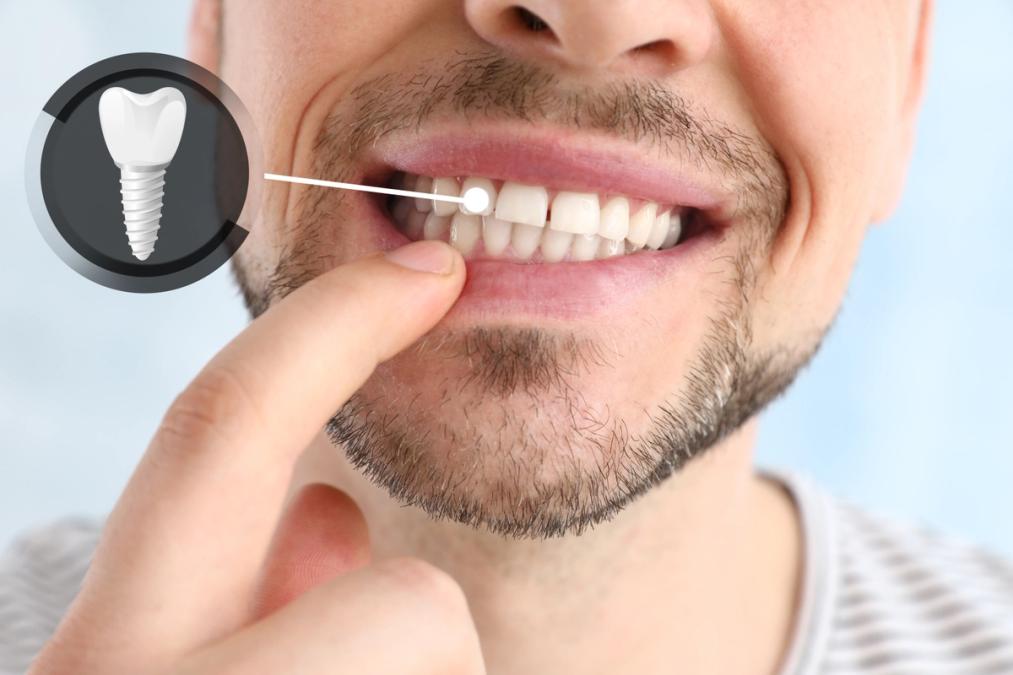
A missing tooth can feel like a small thing—until you notice yourself chewing on one side, avoiding certain foods, or smiling with your lips closed in photos. Over time, a gap can also affect nearby teeth and the jawbone underneath. That’s why dental implants are such a popular solution: they replace the missing tooth’s root and crown in a way that feels stable, natural, and long-lasting.
At Marlton Modern Dentistry, dental implants are planned with modern digital tools and a comfort-first approach, so you know exactly what’s happening at every step. In this guide, you’ll learn what implants are, who they’re for, the typical timeline, and how to care for them for the long haul.
What A Dental Implant Is (In Simple Terms)
A dental implant is a small post—most commonly titanium—that’s placed into the jawbone to act like a tooth root. After placement, your bone naturally integrates with the implant over time. Once the implant is stable, a custom restoration (like a crown or bridge) is attached to restore your smile and function.
The reason implants feel so “real” is that they don’t just fill a gap. They restore the foundation, which supports comfortable chewing and helps keep your smile balanced.
Why Patients Choose Implants
Patients often consider implants because they want a replacement that:
- Doesn’t move when eating or speaking
- Looks natural next to neighboring teeth
- Protects nearby teeth (unlike some options that rely on adjacent teeth for support)
- Helps preserve jawbone where a tooth is missing
- Feels like part of your mouth, not an appliance you have to manage
If you want a solution that’s stable and low-maintenance day-to-day, implants are often a strong fit.
Who Is A Candidate For Dental Implants?
Many adults are good candidates, but a consultation is the right place to confirm. Factors we evaluate include:
- Gum health: Healthy, stable gums support long-term success.
- Bone support: Adequate bone helps anchor the implant; if bone is limited, there are often ways to improve the foundation.
- Overall health: Healing ability matters, so we’ll review medical history and medications.
- Lifestyle factors: Habits like clenching/grinding can influence how we protect and maintain your results.
Even if you were told “years ago” you weren’t a candidate, technology and techniques have advanced significantly. A modern evaluation can provide clearer options.
The Implant Timeline: What Usually Happens
Every patient’s plan is personalized, but most implant journeys follow a familiar sequence.
1) Consultation And Digital Planning
We begin with a comprehensive evaluation, including digital imaging as needed. This lets us see bone levels, identify anatomical landmarks, and plan implant placement with accuracy. You’ll also discuss your goals—appearance, function, timing, and comfort preferences—so we can design a plan that fits real life.
2) Preparing The Site (If Needed)
Sometimes an implant site needs a little preparation before placement. For example, if a tooth was recently removed or the area has been missing a tooth for a while, we may plan steps to create the best foundation. The purpose of preparation is simple: make sure the implant has the support it needs for long-term stability.
3) Implant Placement
Implant placement is typically performed with local anesthesia so you’re comfortable. Many patients are surprised by how manageable it feels. You may feel pressure, but you shouldn’t feel pain. If anxiety is part of your experience, nitrous oxide sedation can help you stay calm and relaxed during the appointment.
After the implant is placed, the area begins healing. In many cases, a temporary tooth option can keep the area looking natural while the implant integrates—especially for teeth in the smile zone.
4) Healing And Integration
Your jawbone needs time to integrate with the implant. During this phase, you’ll follow specific care instructions and attend check-ins as needed. Think of this as “building the foundation.” Once the foundation is strong, the visible tooth portion can be completed.
5) Final Restoration (Crown Or Bridge)
When the implant is ready, a custom restoration is placed and adjusted for comfort and bite balance. The goal is for it to feel like a natural tooth—comfortable, stable, and easy to use.
Front Tooth Vs. Back Tooth Implants
Not all implants are planned the same way.
Front Tooth Implants
Aesthetic details matter more in the front. We plan for:
- Natural gum contours
- Symmetry with neighboring teeth
- Shade matching and translucency
- The way the tooth “emerges” through the gumline
Back Tooth Implants
Back teeth handle heavier chewing forces. We focus on:
- Durable bite support
- Proper contact points to prevent food trapping
- Balanced bite forces to protect the implant and surrounding teeth
Both can look and feel natural—the planning just emphasizes different priorities.
What It Feels Like To Live With An Implant
A well-restored implant doesn’t require special daily routines. You’ll:
- Brush twice daily
- Clean between teeth once daily (floss or interdental tools)
- Keep routine preventive visits so we can check gums and stability
- Let us know if anything feels “high” or off in your bite
If you clench or grind, a protective plan can help prevent excessive wear on restorations and keep your bite balanced over time.
Common Questions Patients Ask
“Is The Procedure Painful?”
With local anesthesia, you should be comfortable during the procedure. Mild tenderness afterward is common, but many patients find it manageable with simple care and rest.
“Will I Have A Gap While I Heal?”
Not necessarily. Temporary options can often maintain your appearance while healing occurs. Your plan depends on the location and your bite.
“How Do I Clean Around An Implant?”
Just like natural teeth—consistent brushing and between-tooth cleaning are the key. We’ll show you techniques and tools that make it easy and comfortable.
“How Long Do Implants Last?”
Implants are designed for long-term function. Like natural teeth, longevity depends on daily care, gum health, and routine checkups.
What Makes Implant Success More Predictable
While each patient is unique, the most reliable implant outcomes share a few habits:
- Keeping gums healthy with consistent preventive care
- Cleaning thoroughly at home (especially between teeth)
- Addressing clenching/grinding with protective solutions
- Following post-treatment instructions closely
- Staying consistent with routine exams and cleanings
When you treat your implant like a natural tooth—carefully, consistently—it tends to perform like one, too.
Your Next Step
If you’re ready to replace missing teeth with a stable, natural-looking solution, call Marlton Modern Dentistry at 856-702-0777 to Schedule a Consultation in Marlton, NJ.
Start Your Dental Journey With Us
Whether you’re due for a routine checkup or considering a smile transformation, we’re here to help. Dr. Rockwell and our friendly team provide personalized care for patients of all ages in a comfortable setting with TVs, headphones, and warm blankets for your comfort. Contact us today to schedule your visit.