The Art and Science of Modern Cosmetic Dentistry

Marlton Modern Dentistry | The Art and Science of Modern Cosmetic Dentistry

Imagine walking into a room and lighting it up with your smile – not because you’re forcing it, but because you genuinely feel proud to share it with the world. Your smile is often the first thing people notice about you, and it can significantly impact how you feel about yourself and how others perceive you. Modern cosmetic dentistry has revolutionized the way we approach smile enhancement, offering sophisticated solutions that go far beyond simple aesthetics to create lasting improvements in both appearance and oral health.

Understanding the Scope of Cosmetic Dentistry

Cosmetic dentistry encompasses a wide range of procedures designed to improve the appearance of your teeth, gums, and overall smile. Unlike purely aesthetic treatments, dental cosmetic procedures often provide functional benefits that enhance your oral health while creating a more attractive appearance.

Popular cosmetic dentistry treatments include teeth whitening, porcelain veneers, dental bonding, crown lengthening, and orthodontic solutions. Each procedure addresses specific concerns, from discoloration and minor chips to more significant structural issues. The beauty of modern cosmetic dentistry lies in its ability to create natural-looking results that complement your facial features and personality.

At Marlton Modern Dentistry, Dr. Eric Rockwell combines advanced techniques with an artistic eye to help patients achieve their ideal smile. The practice utilizes state-of-the-art technology and materials to ensure each treatment delivers optimal results that look and feel natural.

Popular Cosmetic Treatments That Deliver Results

Professional teeth whitening remains one of the most sought-after cosmetic procedures, capable of dramatically brightening your smile in just one office visit. Unlike over-the-counter products, professional whitening treatments are customized to your specific needs and provide safer, more effective results.

Porcelain veneers offer a comprehensive solution for multiple cosmetic concerns simultaneously. These thin, custom-made shells can address issues such as gaps between teeth, minor misalignment, permanent staining, and worn or chipped teeth. Veneers are designed to match your natural tooth color and shape, creating a seamlessly beautiful smile.

Dental bonding provides an excellent option for minor repairs and improvements. This versatile treatment uses tooth-colored composite resin to fix chips, close small gaps, or reshape teeth. The procedure is typically completed in a single visit and offers an affordable way to enhance your smile’s appearance.

For patients seeking straighter teeth, modern orthodontic options include clear aligners and ceramic braces that provide effective results with minimal impact on your daily life. These treatments not only improve appearance but also enhance oral health by making teeth easier to clean and maintain.

The Benefits of Regular Dental Care for Cosmetic Success

Maintaining optimal oral health forms the foundation of any successful cosmetic dentistry treatment. Regular dental checkups and cleanings are essential for preserving both the health and appearance of your teeth and gums.

According to the American Dental Association, routine dental visits allow for early detection and treatment of potential problems before they become more serious and costly to address. Professional cleanings remove plaque and tartar buildup that regular brushing and flossing cannot eliminate, helping to prevent tooth decay and gum disease that could compromise cosmetic treatments.

Regular dental care also helps maintain the longevity of cosmetic procedures. Professional cleanings and examinations ensure that veneers, crowns, and other restorations remain in excellent condition. Your dentist can identify and address minor issues before they affect your cosmetic work, protecting your investment in your smile.

Additionally, routine dental visits provide opportunities to discuss new cosmetic options or touch-up treatments that can keep your smile looking its best. Many cosmetic procedures benefit from periodic maintenance or refinement to ensure continued satisfaction with results.

Planning Your Smile Transformation Journey

Creating your ideal smile begins with a comprehensive consultation to assess your current oral health and discuss your aesthetic goals. During this initial visit, your dentist will examine your teeth and gums, take necessary X-rays or impressions, and discuss treatment options that align with your needs and budget.

A personalized treatment plan ensures that procedures are performed in the optimal sequence for both health and aesthetic reasons. Some patients may benefit from addressing underlying oral health issues before beginning cosmetic treatments, while others may be ready to proceed immediately with their desired procedures.

Modern cosmetic dentistry often involves computer imaging and digital smile design technology, allowing you to preview potential results before beginning treatment. This technology helps ensure that your expectations align with achievable outcomes and allows for refinements to the treatment plan if needed.

The investment in cosmetic dentistry extends beyond the immediate aesthetic improvements. A beautiful, healthy smile can boost confidence, improve social and professional interactions, and contribute to overall well-being. Many patients report feeling more outgoing and positive after completing their smile transformation.

Taking the Next Step Toward Your Best Smile

Your journey to a more confident, radiant smile begins with taking action. Modern cosmetic dentistry offers proven solutions that can address virtually any aesthetic concern while supporting your long-term oral health. Whether you’re interested in a simple whitening treatment or a complete smile makeover, professional guidance ensures safe, effective results that enhance your natural beauty.

The team at Marlton Modern Dentistry is committed to helping patients achieve their smile goals through personalized care and advanced treatment options. Dr. Eric Rockwell and his experienced staff work closely with each patient to develop treatment plans that deliver exceptional results within a comfortable, welcoming environment.

Don’t let another day pass wishing for a better smile. Contact Marlton Modern Dentistry at 856-702-0777 to schedule your consultation and discover how cosmetic dentistry can elevate your confidence and transform your life. Your perfect smile is closer than you think, and taking that first step today opens the door to a brighter, more confident tomorrow.

Start Your Dental Journey With Us

Whether you’re due for a routine checkup or considering a smile transformation, we’re here to help. Dr. Rockwell and our friendly team provide personalized care for patients of all ages in a comfortable setting with TVs, headphones, and warm blankets for your comfort. Contact us today to schedule your visit.


Am I a Candidate for Dental Implants and How to Make Them Last?

Marlton Modern Dentistry | Am I a Candidate for Dental Implants and How to Make Them Last?

Thinking about replacing a missing tooth—or several—and wondering if implants are realistic for you? Good question. Dental implants mimic natural roots, support lifelike teeth, and protect jawbone. The big concerns are candidacy and longevity. Let’s tackle both so you can move forward with confidence.

What Makes a Good Candidate?

  • Healthy gums: Dental implants need stable, disease-free tissues to heal and stay clean.
  • Adequate bone: Enough height and width in the jaw help anchor the implants; 3D imaging confirms this.
  • Well-managed health: Conditions like diabetes or osteoporosis don’t automatically rule you out when controlled. Smoking, however, can slow healing and raises complication risk.
  • Realistic habits: Brushing, flossing, and regular cleanings are non-negotiable for long-term success.

Even if bone is thin or missing in places, grafting can often rebuild support. Being a candidate is less about perfection and more about a plan tailored to your biology and goals.

The Evaluation You Can Expect

  1. Consult and conversation: What’s missing? What do you want to eat, say, and smile like? Practical goals guide choices.
  2. 3D scan and exam: Imaging maps nerves, sinuses, and bone volume so implant size and positions are chosen safely.
  3. Treatment options: Single implants, implant bridges, or full-arch solutions are compared by comfort, cost, and maintenance.
  4. Timeline and budget: You’ll review healing steps, number of visits, and payment options before starting.

How to Make Dental Implants Last

  • Daily care that sticks: Brush twice with fluoride toothpaste and clean between teeth and around implants daily (floss, threaders, or a water flosser).
  • Professional maintenance: Three- to six-month cleanings keep gums calm and catch small issues early.
  • Nighttime protection: If you clench or grind, a guard disperses forces and protects porcelain and bone.
  • Tobacco caution: Smoking is linked with higher implant complications; cutting back or quitting helps outcomes.
  • Healthy choices: A balanced diet and good blood sugar control support healing and long-term tissue health.

Common Roadblocks—and Workarounds

  • Not enough bone? Sinus lifts, ridge preservation, or regenerative grafts can create a stronger base.
  • Gum disease history? Thorough periodontal therapy and stable home care set the stage for success.
  • Medication questions? Some drugs affect bone metabolism; your provider coordinates with your physician as needed.
  • Missing many teeth? Full-arch designs use fewer implants to support an entire row—efficient and secure.

Benefits (What Professional Guidance Supports)

  • The American Dental Association (ADA) recognizes dental implants as a proven option to replace missing teeth and restore function when planned and maintained properly.
  • National research institutions note that implants help preserve bone in areas where they’re placed, supporting facial contour and bite stability.
  • Peer-reviewed studies show strong long-term satisfaction when patients commit to daily care, regular maintenance, and healthy lifestyle choices.

Types of Implant Restorations You Might Choose

  • Single implant with a crown: Replaces one tooth without touching neighbors.
  • Implant-supported bridge: Two or more implants can span a gap of several missing teeth.
  • Full-arch solutions: Four to six implants can support an entire row of teeth, fixed or removable depending on cleaning preferences.

Understanding these choices helps align comfort, budget, and maintenance with your goals.

Surgery Day and the First Week

Numbing keeps you comfortable during placement, and many people are surprised by how little soreness they feel afterward. Mild swelling or bruising can appear for a couple of days. Soft foods and cool drinks are your friends at first; then you’ll ease back into your normal routine. If a temporary tooth is part of the plan, it restores your smile while the bone and implants connect.

Peri-Implant Health: The One Thing Not to Skip

Gums around implants can get inflamed if plaque sits undisturbed, a condition called peri-implant mucositis. If ignored, it can progress to peri-implantitis, which threatens the bone supporting the implant. The fix is simple but consistent: daily cleaning around the implant, professional maintenance, and quick attention to any bleeding or tenderness.

Timelines and Travel

Lower jaws often heal a bit faster than uppers due to bone density, but every case is different. If you’re planning significant travel, let your provider stage visits to avoid key healing windows. A little scheduling foresight keeps you comfortable on flights and far from dental “what-ifs.”

Medications and Medical Notes

If you take medications that influence bone (like some osteoporosis drugs), share that early; your dentist can coordinate with your physician. Smokers who pause or quit weeks before and after placement tend to see better healing—one more reason to set a quit date that doubles as a milestone for your smile.

Costs, Coverage, and Value

Insurance coverage varies, but many plans contribute to parts of care (exams, scans, or the crown). The long-term math matters: implants don’t get cavities, and they don’t rely on neighboring teeth for support. When you factor comfort, chewing power, and reduced need to involve healthy teeth, many people consider implants a smart lifetime investment.

Longevity: What to Expect Over Time

With solid planning and consistent care, dental implants are designed for the long haul. Gums around implants need the same attention as gums around natural teeth. The porcelain or ceramic crowns may eventually need replacement due to normal wear, but the implants—the part in the bone—are built for stability. Quick response to any soreness or bleeding around implants keeps small issues from growing.

FAQs People Ask

Am I too old? Age alone isn’t a barrier. Health status and bone quality matter more than birth year.

Will I be without teeth during healing? Often, temporary teeth keep you smiling while bone integrates with the implants.

Do implants work if I’ve worn dentures for years? Yes, though bone grafting may be needed first. Many long-time denture wearers love the security of implant-stabilized teeth.

A Clear Way Forward

If you’re wondering, “ Am I a candidate for dental implants and how to make them last?” the answer usually begins with a thorough exam and a practical maintenance plan. The formula is simple: smart design, gentle surgery, and steady care.

Ready to find out your candidacy? Contact Marlton Modern Dentistry at 856-702-0777 or visit 875 NJ-73 h, Marlton, NJ 08053 to Schedule a Consultation and get a custom plan for lasting implants.

Start Your Dental Journey With Us

Whether you’re due for a routine checkup or considering a smile transformation, we’re here to help. Dr. Rockwell and our friendly team provide personalized care for patients of all ages in a comfortable setting with TVs, headphones, and warm blankets for your comfort. Contact us today to schedule your visit.

Bridging the Gap: How Implant Bridges Rebuild Smiles That Last

Marlton Modern Dentistry | Bridging the Gap: How Implant Bridges Rebuild Smiles That Last

There’s something uniquely unsettling about having a few missing teeth. It’s not a full denture situation, but the gaps are big enough to mess with your bite, your confidence, and even your speech. You might start chewing on one side. You might avoid photos. You might even stop smiling as freely.

But what if you could replace those missing teeth with something that looks real, feels strong, and lasts decades?

That’s where implant bridges come in.

Implant bridges offer the perfect middle ground between single implants and full-arch restorations. At Marlton Modern Dentistry in Marlton, NJ, they’re restoring smiles with rock-solid results—especially for people missing two or more teeth in a row. Let’s explore how this solution works, why it’s so effective, and whether it might be your perfect match.

What Are Implant Bridges?

An implant bridge is a fixed dental restoration that replaces multiple missing teeth using two or more dental implants as the foundation. The implants are placed in the jawbone and serve as secure anchors for a row of artificial teeth—just like a traditional dental bridge, but without relying on your natural teeth for support.

Here’s the key distinction:

  • A traditional bridge uses the surrounding teeth as support (and those often have to be filed down).
  • An implant bridge is self-supported by implants placed in the jaw, so neighboring teeth stay untouched.

Implant bridges can replace anywhere from two to several teeth in a row, depending on the case.

How the Process Works

The process for getting an implant bridge is similar to getting individual implants, but it’s more efficient and often more affordable when multiple teeth are missing.

Step 1: Consultation and Imaging

Dr. Rockwell and the Marlton Modern Dentistry team use digital imaging and 3D scans to evaluate your jawbone, spacing, and oral health. This helps determine the number and position of implants you’ll need.

Step 2: Implant Placement

Two (or more) implants are surgically placed into your jawbone beneath the gap. These act as your new tooth roots. Healing takes several weeks to months as your bone fuses with the implants.

Step 3: Temporary Prosthetic (Optional)

You may be fitted with a temporary bridge while your implants heal—so you’re never left without teeth during the process.

Step 4: Custom Implant Bridge

Once the implants are stable, a permanent bridge is crafted to fit your smile seamlessly. It’s color-matched, custom-shaped, and fixed into place for long-term comfort and function.

Why Choose Implant Bridges?

Implant bridges offer unique advantages, especially for patients missing several teeth in one area.

1\. Long-Lasting Durability

Implants are made of titanium, and with proper care, they can last 20+ years—often a lifetime. The bridge itself is also made from high-quality, stain-resistant materials that mimic real teeth beautifully.

2\. Preserves Natural Teeth

Unlike traditional bridges, implant bridges don’t require grinding down your healthy teeth to make room for crowns. Your natural teeth stay intact and strong.

3\. Prevents Bone Loss

When a tooth is lost, the bone underneath starts to shrink. Implants stimulate that area like a real tooth root, helping maintain bone density and jaw strength.

4\. Stable, Secure Fit

Unlike partial dentures or removable appliances, implant bridges don’t slip or move. You can chew, speak, and smile with total confidence—no adhesives, no clicking, no shifting.

5\. Cost-Effective for Multiple Teeth

Instead of placing an implant for every missing tooth, implant bridges use fewer implants to support several teeth. That can mean lower cost and faster recovery than individual implants for each space.

Backed by: Clinical studies in the Journal of Oral Implantology, Journal of Prosthodontics, and research from the American Academy of Implant Dentistry confirm that implant-supported bridges provide superior function, aesthetics, and longevity compared to traditional methods.

Who’s a Candidate for an Implant Bridge?

This option is great for people who:

  • Are missing two or more adjacent teeth
  • Have healthy gums and enough jawbone for implant placement
  • Don’t want a removable appliance
  • Want to preserve their remaining natural teeth
  • Are looking for a long-term, natural-looking solution

Even if bone loss has occurred, bone grafting or other procedures may make you eligible for implants. The team at Marlton Modern Dentistry will walk you through every step and help you understand your options.

Maintenance and Care Tips

Caring for your implant bridge is straightforward—and similar to caring for natural teeth.

  • Brush twice a day with a soft-bristled toothbrush
  • Use a water flosser or floss threaders to clean under the bridge
  • Avoid chewing ice or using your teeth as tools
  • Visit your dentist regularly for checkups and professional cleanings

With the right hygiene routine, your implant bridge can function beautifully for decades.

How Implant Bridges Compare to Other Options

Patients often ask how implant bridges stack up against other solutions for missing teeth. Here’s how they differ:

  • Versus Partial Dentures: Partial dentures are removable, may cause discomfort, and don’t prevent bone loss. Implant bridges are fixed, feel natural, and support jawbone health.
  • Versus Individual Implants: If multiple teeth are missing side by side, using fewer implants to support a bridge can be more cost-effective and require less surgery than placing an implant for each tooth.
  • Versus Traditional Bridges: Traditional bridges depend on neighboring teeth and may weaken them over time. Implant bridges are fully independent and preserve the integrity of surrounding teeth.

Each option has its place—but for many, implant bridges offer the best combination of durability, aesthetics, and convenience.

Bridge the Gap for Good

You don’t have to live with gaps in your smile—or compromise with removable appliances that don’t feel quite right. Implant bridges provide a strong, seamless, and secure solution for missing teeth that looks great and performs even better.

Curious whether an implant bridge is right for your smile? Contact Marlton Modern Dentistry at 856-702-0777 to schedule your consultation and learn how this trusted solution can work for you.

Start Your Dental Journey With Us

Whether you’re due for a routine checkup or considering a smile transformation, we’re here to help. Dr. Rockwell and our friendly team provide personalized care for patients of all ages in a comfortable setting with TVs, headphones, and warm blankets for your comfort. Contact us today to schedule your visit.
Why Dental Implants Are the Gold Standard for Missing Teeth

Marlton Modern Dentistry | Why Dental Implants Are the Gold Standard for Missing Teeth

Let’s get one thing out of the way—losing a tooth isn’t just about looks. It’s about function, confidence, comfort, and long-term health. Whether it’s due to injury, decay, or gum disease, missing even one tooth can throw everything out of balance. Chewing gets tricky, speech can change, and the jawbone? It starts to shrink without that natural stimulation from a tooth root.

So what’s the answer when you want something that actually feels like a real tooth—not just looks like one?

Dental implants.

They’re not a trend or a shortcut. Dental implants are the gold standard in tooth replacement. At Marlton Modern Dentistry in Marlton, NJ, dental implants are helping patients reclaim their smiles, and their lives, one confident bite at a time.

The Basics: What Are Dental Implants?

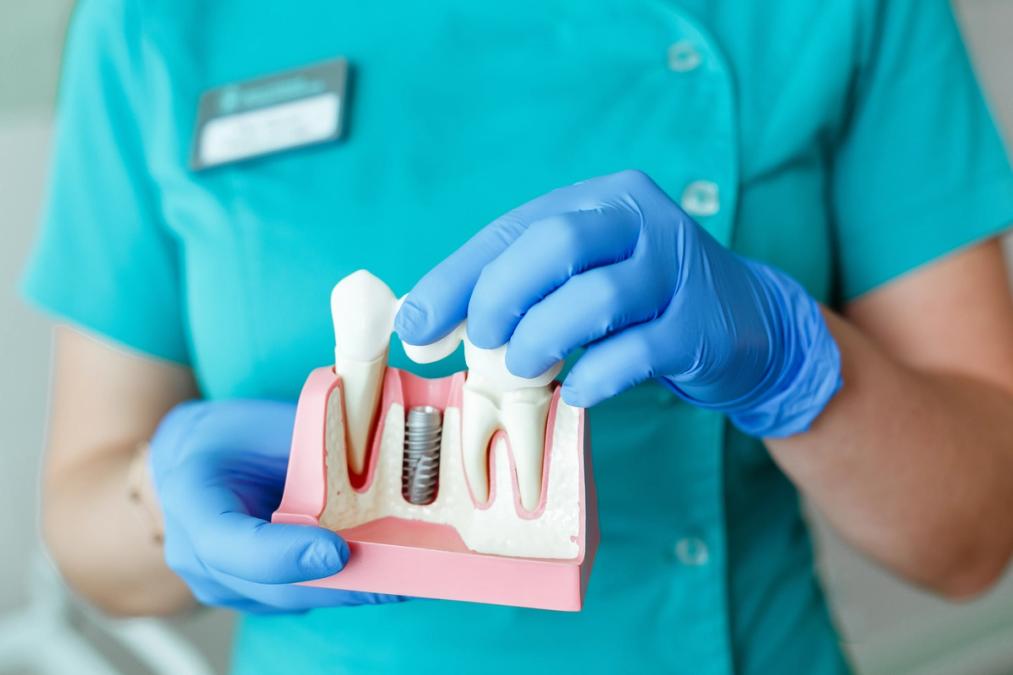
A dental implant is more than just a replacement tooth. It’s a three-part system that mimics the entire structure of a natural tooth:

  1. Titanium post – placed into the jawbone where it acts like a tooth root
  2. Abutment – connects the post to the crown
  3. Dental crown – the part that looks and functions like a real tooth

Once the implant is in place and fully healed (thanks to a process called osseointegration), it’s rock solid. It doesn’t wiggle or slide, and it doesn’t rely on surrounding teeth for support. That’s what sets it apart from bridges or dentures.

Why Dental Implants Are a Game-Changer

It’s not just about filling in gaps—it’s about restoring your mouth to full strength. Let’s walk through some of the ways dental implants outperform other options.

Long-Term Strength and Stability

Once fully healed, implants are fused to your bone. That means no slipping, no adhesives, and no awkward clicking sounds. You can bite into an apple, laugh out loud, and speak clearly without second-guessing your smile.

Bone Health Preservation

When a natural tooth is lost, the jawbone underneath begins to deteriorate. Implants are the only tooth replacement option that stimulate the bone—just like a real tooth root—keeping your jawline intact and strong.

A Natural Look and Feel

Dental implants are custom-made to match the shape, size, and color of your surrounding teeth. No one will know it’s not real… and honestly, you might forget too.

No Extra Maintenance

Unlike removable dentures, implants don’t need to be taken out, soaked overnight, or carefully clipped in. Brush, floss, and visit the dentist—just like always.

The Dental Implant Process: What to Expect

Getting a dental implant isn’t an overnight fix—but it’s well worth the journey. Here’s how the process typically goes at Marlton Modern Dentistry:

Step 1: Consultation and Planning

Your journey starts with a thorough exam, including 3D imaging to assess bone quality and map out the implant site. If your jawbone needs a little extra support, bone grafting may be recommended first.

Step 2: Implant Placement

The titanium implant is surgically placed into your jawbone. Don’t worry—it sounds scarier than it is. Most patients say it’s easier than a tooth extraction. Healing takes several weeks, allowing the implant to bond with the bone.

Step 3: Abutment Placement

Once the implant is fully integrated, the abutment is added to connect the implant to your crown.

Step 4: Final Restoration

Your custom crown is attached, designed to blend seamlessly with your smile. At this point, the implant looks, feels, and functions like the real deal.

Who’s a Good Candidate for Dental Implants?

Great question—because not everyone is a perfect fit right out of the gate. But that doesn’t mean they’re off the table. Here’s what typically makes someone a strong candidate:

  • One or more missing teeth
  • Good overall health
  • Healthy gums with no active gum disease
  • Adequate bone density in the jaw

Even if you’re not quite there yet, procedures like bone grafting or sinus lifts can help you become implant-ready. The team at Marlton Modern Dentistry will walk you through all your options.

Real Benefits, Backed by Research

Dental implants are more than a cosmetic fix—they’re a long-term investment in your health. According to the American Academy of Implant Dentistry (AAID) and the Journal of Dental Research, implants have a success rate of over 95%. That’s a serious track record.

Here’s why the pros are on board:

1\. Durability

Most dental implants last 15–25 years or more with proper care—far longer than bridges or dentures.

2\. Improved Oral Health

Unlike traditional bridges, implants don’t require grinding down nearby teeth for support. That means less damage to healthy structures and better long-term outcomes.

3\. Better Functionality

Dental implants restore 90% or more of normal chewing function, allowing patients to enjoy a full diet without restrictions.

4\. Mental and Emotional Confidence

Let’s not underestimate the emotional side of things. Missing teeth can affect self-esteem and mental health. Restoring your smile with implants often brings renewed confidence in both personal and professional life.

Taking Care of Your Implant: Easy and Worth It

Once your implant is in place, maintaining it is straightforward. Just treat it like a natural tooth:

  • Brush twice daily
  • Floss around the implant
  • Visit your dentist every 6 months
  • Don’t use your teeth to open packages (you know who you are)

Smoking can reduce the success of implants, so if you’re looking for a sign to quit—that might be it.

Why Marlton Modern Dentistry?

Getting dental implants is a team effort—and having the right experts matters. At Marlton Modern Dentistry, every step of the process is handled with precision and care. Dr. Rockwell and the team focus on your comfort, health, and long-term success.

They don’t rush. They don’t guess. They take the time to make sure your dental implant is placed properly, looks beautiful, and lasts as long as it’s supposed to.

Reclaim Your Confidence with Dental Implants

Dental implants do more than just fill a gap—they restore your freedom. To eat what you want. To smile without hesitation. To live without worrying about your teeth.

If you’re ready to find out if dental implants are right for you, contact Marlton Modern Dentistry at 856-702-0777 to schedule your consultation and explore your options.

Start Your Dental Journey With Us

Whether you’re due for a routine checkup or considering a smile transformation, we’re here to help. Dr. Rockwell and our friendly team provide personalized care for patients of all ages in a comfortable setting with TVs, headphones, and warm blankets for your comfort. Contact us today to schedule your visit.

Clear Aligners — How They Help Your Smile Without the Hassle

Marlton Modern Dentistry | Clear Aligners — How They Help Your Smile Without the Hassle

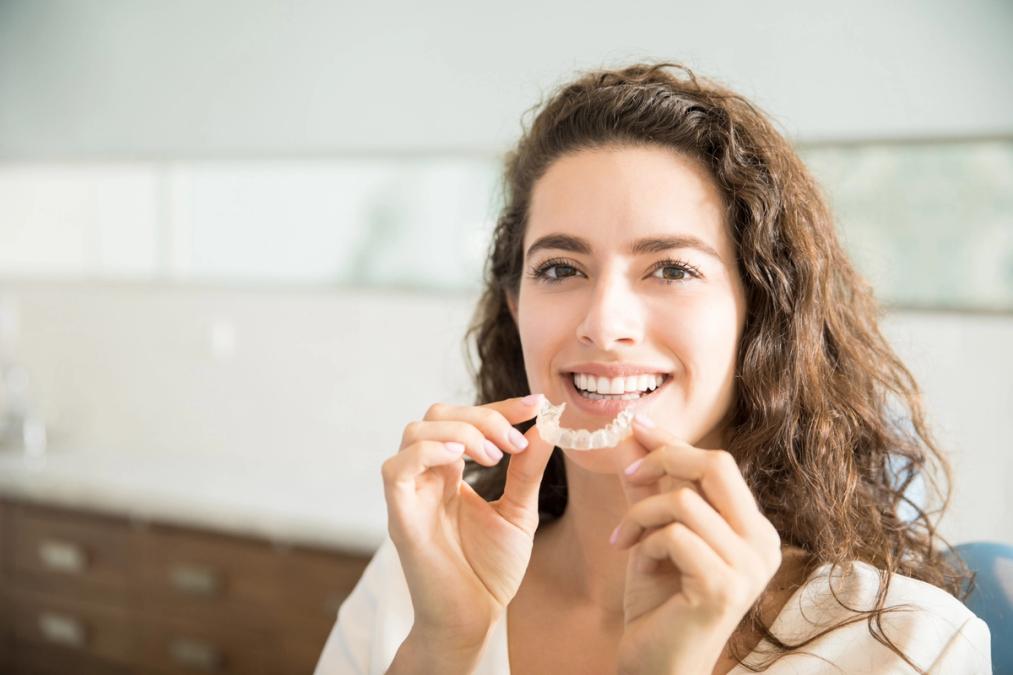
What if straightening your teeth felt simple—no brackets, no food lists, no special tools? Clear aligners make that wish pretty realistic. With a series of custom, nearly invisible trays, clear aligners guide your teeth into better positions while letting you eat, brush, and live on your usual schedule.

How Clear Aligners Move Teeth

Clear aligners use gentle, targeted pressure to move teeth a little at a time. You wear each set for about one to two weeks, 20–22 hours a day, and swap to the next set as directed. Attachments—tiny tooth-colored shapes—may be added to certain teeth to give the trays something to grip, helping with specific movements. The technology is planned on a digital model of your bite, so you and your provider can review the road map before you begin.

What Clear Aligners Can Treat

Clear aligners are well-suited for crowding, spacing, mild to moderate bite issues, and relapse after previous orthodontic treatment. They can also help with certain overbites, underbites, and crossbites, depending on complexity. Some severe cases still do better with braces or a hybrid approach. That’s not a drawback—it’s clarity. The right tool for the right job brings the best results.

The Day-to-Day Experience

  • Eating is easy: Remove the trays, enjoy your meal, brush, and put them back in. No wires to trap food or restrict what’s on your plate.
  • Cleaning is familiar: Brush and floss normally. Rinse your trays with cool water and brush them gently.
  • Talking feels natural: A mild lisp can happen in week one and usually fades quickly.
  • Travel-friendly: Toss the next set in your bag; treatment stays on schedule.

The Steps From Start to Finish

  1. Consultation and goals: You share what you’d like to change—crowding, gaps, bite, or all three.
  2. Digital scan and photos: No goopy molds. A 3D scan captures every angle.
  3. Planning: Your provider designs a sequence of tooth movements and reviews the expected timeline with you.
  4. First trays and attachments: You learn how to insert and remove trays, when to switch, and how to keep everything clean.
  5. Check-ins: Short visits confirm progress and comfort; tweaks are easy if needed.
  6. Retention: Retainers hold your new smile while bone and ligaments settle into place.

Benefits (What Guidance and Research Support)

  • Orthodontic organizations report that clear aligners can effectively treat many mild to moderate alignment issues when patients wear trays as prescribed.
  • Studies note that it’s often easier to maintain gum health with clear aligners than with fixed braces, since you can brush and floss normally.
  • Professional guidance emphasizes that compliance—wearing trays 20–22 hours per day—is the biggest predictor of success with clear aligners.

Tips to Stay on Track

  • Set reminders: Phone alerts ensure on-time tray changes.
  • Keep a travel kit: A compact brush, case, and floss keep you prepared.
  • Avoid hot drinks with trays in: Heat can warp plastic.
  • Use chewies if recommended: These small cushions help seat trays fully for accurate movement.

Clear Aligners vs. Braces: A Quick Comparison

  • Looks: Clear aligners are low-profile; braces are visible.
  • Food: Aligners come out; braces ask you to avoid sticky and hard items.
  • Cleanliness: Aligners let you brush and floss normally; braces require extra tools.
  • Complex movements: Braces can handle certain severe issues more predictably; aligners work best in mild to moderate ranges or with a hybrid plan.

Comfort and Speech

Most people feel light pressure for a day or two each time they switch trays. Over-the-counter pain relievers and starting new trays at night can help. Speech changes are usually temporary; reading out loud for a few minutes helps your tongue adapt. The smooth tray edges tend to be kinder to cheeks and lips than brackets and wires.

Common Questions

How long will treatment take? It depends on your goals and how complex the tooth movements are. Some cases wrap in a few months; others take a year or more. Your plan outlines a realistic, personalized timeline.

Will I need attachments or enamel polishing? Attachments are common and help with rotations or root positioning. Gentle enamel reshaping between crowded teeth can create tiny spaces to ease movement; it’s conservative and safe.

What about retainers? Retainers are essential after any orthodontic treatment. They hold teeth while tissues stabilize and become your insurance policy against relapse.

Who Is a Good Candidate for Clear Aligners?

If your gums are healthy and your teeth and roots are stable, you’re likely a candidate. Mild to moderate crowding or spacing, rotated teeth, and certain bite issues respond well. If you have a history of gum disease or significant dental work, you may still qualify; your plan simply accounts for those details. A 3D scan and X-rays help confirm what will move predictably and what should be handled with another tool.

Cost, Value, and Time

Clear aligners are an investment in comfort and confidence. While costs vary by case length and complexity, many people find the day-to-day convenience—easy eating, familiar hygiene, and fewer repair visits—adds real value. Short, efficient check-ins mean less time away from work or school. And because you can see your teeth changing each week, motivation tends to stay high.

Real-Life Moments Where Aligners Shine

  • The coffee meeting: You remove the trays briefly, sip your hot drink, and put them back—no stains on brackets.
  • Family photos: The trays are hardly noticeable, so you smile without thinking twice.
  • Working out: No pokey wires during cardio or a mouthguard for practice; aligners sit smooth and secure.
  • Business travel: Packing the next set keeps you on schedule, even across time zones.

Bringing It All Together

Clear aligners are versatile, discreet, and designed to fit real life. With the right plan and steady wear, they can correct crowding and gaps, refine your bite, and set you up for a lifetime of easier cleanings and healthier gums.

Thinking about clear aligners? Contact Marlton Modern Dentistry at 856-702-0777 or stop by 875 NJ-73 h, Marlton, NJ 08053 to Book an Appointment and see how clear aligners could work for your smile.

Start Your Dental Journey With Us

Whether you’re due for a routine checkup or considering a smile transformation, we’re here to help. Dr. Rockwell and our friendly team provide personalized care for patients of all ages in a comfortable setting with TVs, headphones, and warm blankets for your comfort. Contact us today to schedule your visit.

Clear Aligners — What’s the Difference Between Invisalign and SureSmile?

Marlton Modern Dentistry | Clear Aligners — What’s the Difference Between Invisalign and SureSmile?

You’ve decided you want straighter teeth without brackets and wires—great choice. Now the next question pops up: What’s the difference between Invisalign and SureSmile when both are clear aligners? They share the same goal, but they plan and deliver tooth movement in slightly different ways. Understanding those differences helps you choose confidently.

How Both Systems Work

Both Invisalign and SureSmile are clear aligners that move teeth with a series of custom trays. Each set applies gentle, targeted pressure and is worn 20–22 hours a day, coming out for meals and brushing. Attachments—small, tooth-colored shapes—can be bonded to certain teeth to guide complex movements, and interproximal reduction (tiny enamel reshaping) may create space in crowded areas. Retainers hold results once treatment ends.

Planning and Technology

  • Invisalign: Uses the ClinCheck planning platform and SmartTrack material. The software simulates movements step by step so you and your provider can preview the expected path. SmartForce features (like optimized attachments) help with rotations and root control.
  • SureSmile: Pairs digital planning with high-precision aligners and robust tooth-movement tools. Many practices value its customization and the ability to integrate scans and photos into a detailed setup. SureSmile’s planning often gives clinicians granular control of staging and anchorage.

In real terms, both systems plan tooth movements digitally and rely on your provider’s expertise to design a predictable route from “now” to “goal.”

Comfort, Wear Time, and Lifestyle

Day to day, the experience feels similar. You’ll switch trays every one to two weeks, keep them in for most of the day, and remove them for meals and hot drinks. Mild pressure for a day or two with a new tray is normal. Reading out loud for a few minutes helps your tongue adapt if speech feels different at first. With either system, clear aligners tend to be kinder to cheeks and gums than braces.

Treatment Scope and Case Complexity

Both systems handle mild to moderate crowding, spacing, and bite refinements well when wear is consistent. For complex issues—significant rotations, large root movements, or major bite changes—your provider may recommend auxiliary techniques: attachments, elastics, or even a short phase with braces. The deciding factor is less about brand and more about case design and your commitment to wearing trays as directed.

Cost, Timelines, and Check-Ins

Pricing and timelines depend on complexity and the number of aligners. Short cases may finish in a few months; comprehensive plans often take 9–18 months. You’ll have brief check-ins to confirm tracking and comfort. If a tooth lags behind, refinement scans can update the plan. Whether you choose Invisalign or SureSmile, the rhythm is the same: steady wear, quick visits, and visible progress.

Benefits (What Professional Guidance and Studies Note)

  • Orthodontic literature supports clear aligners as effective for many malocclusions when patients wear them 20–22 hours per day.
  • Research highlights easier brushing and flossing with aligners compared with fixed braces, which can support gum health during treatment.
  • Professional guidance emphasizes that clinician planning and patient compliance are the main predictors of success—brand differences matter less than a thoughtful setup and consistent wear.

How to Choose Between Invisalign and SureSmile

Ask these practical questions:

  • Planning clarity: Do you understand the proposed tooth movements and the role of attachments or elastics?
  • Timeline and goals: Does the plan address your top priorities—crowding, spacing, bite?
  • Lifestyle fit: Are you comfortable wearing trays most of the day and managing trays during meals and travel?
  • Provider experience: Choose the team that communicates clearly and shows how they’ll keep treatment on track.

Tips to Keep Treatment Smooth

  • Use your case—don’t wrap aligners in napkins at meals.
  • Avoid hot drinks with trays in; heat can warp plastic.
  • Clean trays with a soft brush and cool water; skip harsh cleaners.
  • Set reminders for tray changes; “chewies” can help seat trays fully.
  • Wear your retainers after treatment—relapse is real for any straight smile.

Materials, Trimlines, and Fit

Both brands use high-quality plastics, but the exact formulations and trimlines (how far the plastic extends toward the gums) can differ by design and by case. Some patients feel one tray style engages the teeth more snugly or feels smoother on the gums. Those are personal impressions—what matters most is accurate planning and your wear consistency.

Remote Monitoring and Refinements

Many practices offer photo check-ins between visits. Quick uploads confirm trays are tracking without taking time from your week. If a tooth falls behind, a refinement scan refreshes the plan and prints a new series. Expect at least one refinement on comprehensive cases—fine-tuning is part of modern clear aligners treatment.

Brand Ecosystems and Retainers

Post-treatment, you’ll wear retainers nightly for a while, then taper to a maintenance schedule. Some choose branded retainers (like Vivera); others use Essix-style retainers that can be replaced as needed. The critical piece is not the logo—it’s consistent wear so teeth stay where you guided them.

Who Might Prefer One Over the Other?

  • Invisalign: Patients who value its long track record, certain proprietary features, and name recognition.
  • SureSmile: Patients drawn to clinician-controlled customization and offices that emphasize its planning tools.

Either path can deliver great results when designed and worn well.

Mild Discomfort and Everyday Fixes

Switch trays at night so early pressure happens while you sleep. If edges feel rough, ask for a quick polish or use a tiny bit of approved wax. Keep a travel kit with a case, a mini brush, and floss so trays go right back in after meals. Small routines make clear aligners feel almost automatic.

Moving Forward with Confidence

Choosing between Invisalign and SureSmile isn’t about right or wrong—it’s about clarity and commitment. Understand your plan, wear the trays, and stay connected with short check-ins. That’s how predictable change shows up, week after week.

Ready to compare options in person? Contact Marlton Modern Dentistry at 856-702-0777 or visit 875 NJ-73 h, Marlton, NJ 08053 to Schedule a Consultation and get a personalized clear aligner plan that fits your timeline and budget.

Start Your Dental Journey With Us

Whether you’re due for a routine checkup or considering a smile transformation, we’re here to help. Dr. Rockwell and our friendly team provide personalized care for patients of all ages in a comfortable setting with TVs, headphones, and warm blankets for your comfort. Contact us today to schedule your visit.

Cosmetic Dentistry In Marlton, NJ: How To Build A Natural-Looking Smile Upgrade (Without Overdoing It)

Marlton Modern Dentistry | Cosmetic Dentistry In Marlton, NJ: How To Build A Natural-Looking Smile Upgrade (Without Overdoing It)

Cosmetic dentistry has changed. The goal isn’t a copy-paste “perfect” smile—it’s a smile that fits your face, your personality, and the way you live. Maybe you want brighter teeth, a smoother edge line, or to fix a few chips you’ve noticed more in photos. Or maybe you’ve wanted a bigger transformation for years, but you don’t want anything that looks unnatural.

At Marlton Modern Dentistry, cosmetic dentistry is a combination of artistry and function. That means your smile should not only look great, but also feel comfortable, chew naturally, and hold up in daily life.

What Cosmetic Dentistry Can Improve

Cosmetic dentistry can address:

  • Staining or discoloration
  • Chips and worn edges
  • Uneven tooth shape or size
  • Small gaps
  • Mild alignment concerns
  • A smile that looks “tired” due to wear or uneven proportions

The right plan depends on what bothers you most and what your teeth need structurally.

The Most Common Cosmetic Options

Professional Teeth Whitening

Whitening is often the simplest first step. It refreshes your smile quickly and can make other improvements less necessary. Whitening is especially helpful if your main issue is overall shade rather than shape or alignment.

Dental Bonding

Bonding uses tooth-colored composite resin to repair chips, close small gaps, and refine shapes. It’s conservative and can be a great option for patients who want meaningful improvement without major changes.

Porcelain Veneers

Veneers are thin ceramic shells bonded to the front surface of teeth. They can change color, shape, and proportion more comprehensively than whitening or bonding, and they’re designed to look natural when planned well.

Smile Makeover Planning

A “smile makeover” isn’t one procedure. It’s a planned combination—often whitening, bonding, veneers, and/or aligners—sequenced thoughtfully for the most natural result.

Start With The Question That Matters Most

Before choosing a procedure, it helps to ask: What’s the main goal?

  • If you want a brighter smile: whitening may be step one.
  • If you want to fix one or two teeth: bonding may be enough.
  • If you want consistent shape and color across several teeth: veneers may be the better fit.
  • If alignment is the root issue: aligners may be the smartest first move.

Cosmetic dentistry works best when the plan matches the true cause of your concern.

Why Alignment Often Comes First

Even mild crowding can make teeth look darker (because of shadows), harder to clean, and less symmetrical. Clear aligners can reposition teeth so whitening looks more even and bonding or veneers can be more conservative. In many cases, alignment first leads to a more natural end result with less alteration to tooth structure.

How We Keep Results Natural

“Natural-looking” isn’t a vibe—it’s a series of decisions:

  • Shade: Bright, but believable for your complexion and age
  • Shape: Proportions that match your facial features
  • Texture: Subtle enamel-like texture that reflects light naturally
  • Edge design: A slight translucency and gentle irregularity can look more lifelike than razor-straight edges
  • Smile line: The way teeth follow the curve of your lower lip when you smile

The goal is a smile that looks like it belongs to you.

The Consultation: What You Should Expect

A cosmetic consultation is part conversation, part evaluation. We’ll discuss:

  • Your goals (what you want to change and what you want to keep)
  • Your dental health (gums, enamel, bite, existing restorations)
  • A plan that fits your timeline and comfort preferences

Photos and digital scans can help visualize improvements and guide decision-making.

Choosing Between Bonding And Veneers

Here’s a practical way to think about it:

Bonding Is Often Best If

  • You have small chips or gaps
  • You want a conservative change
  • Your teeth are already a good shade or you plan to whiten first
  • You’re looking for targeted improvements

Veneers Are Often Best If

  • You want more uniform color and shape across multiple teeth
  • You have stains that don’t respond well to whitening
  • You want a comprehensive transformation
  • You want durable, stain-resistant cosmetic results

Sometimes the best plan is a hybrid: veneers on the most visible teeth and bonding for minor refinements.

Maintenance: Keeping Your Smile Bright And Smooth

Cosmetic results last longer with the right habits:

  • Brush twice daily with a soft brush
  • Clean between teeth daily
  • Rinse with water after dark beverages
  • Avoid chewing ice or using teeth as tools
  • If you clench or grind, consider protective strategies to reduce wear

Routine preventive visits help keep cosmetic work looking polished and natural.

Common Questions Patients Ask

“Will It Look Fake?”

Not if it’s planned properly. Natural results come from subtle shade choices and lifelike details—not from one-size-fits-all templates.

“Can I Still Eat Normally?”

Yes. Your plan will be designed for function as well as appearance, with a comfortable bite.

“What If I Only Want A Small Change?”

That’s common. Cosmetic dentistry can be as subtle as smoothing an edge line and whitening—sometimes small refinements have a big impact.

Your Next Step

If you’re ready for a natural-looking smile upgrade planned around your features and goals, call Marlton Modern Dentistry at 856-702-0777 to Schedule a Consultation in Marlton, NJ.

Start Your Dental Journey With Us

Whether you’re due for a routine checkup or considering a smile transformation, we’re here to help. Dr. Rockwell and our friendly team provide personalized care for patients of all ages in a comfortable setting with TVs, headphones, and warm blankets for your comfort. Contact us today to schedule your visit.
Dental Anxiety and Nitrous Oxide — Comfortable Dentistry Without the Stress

Marlton Modern Dentistry | Dental Anxiety and Nitrous Oxide — Comfortable Dentistry Without the Stress

Does your heart race just thinking about a dental visit? You’re not alone. Dental anxiety is incredibly common, and it can keep even the most diligent brushers from getting the care they need. Nitrous oxide—often called “laughing gas”—offers a calm, in-the-moment way to relax without losing awareness or control. You breathe normally, you stay responsive, and you finish your appointment feeling like yourself again.

What Dental Anxiety Looks Like (and Why It’s So Normal)

Dental anxiety covers a wide range: nervous butterflies, a strong gag reflex, sensitive teeth, or fear after a tough past experience. Some people worry about needles; others worry about sounds or not knowing what’s next. The trouble is, avoidance makes small problems turn into big ones. Cavities grow. Gums get inflamed. Costs go up. The goal of using nitrous oxide isn’t to mask fear—it’s to help you feel safe enough to get healthy care at the right time.

Nitrous Oxide 101: How It Works

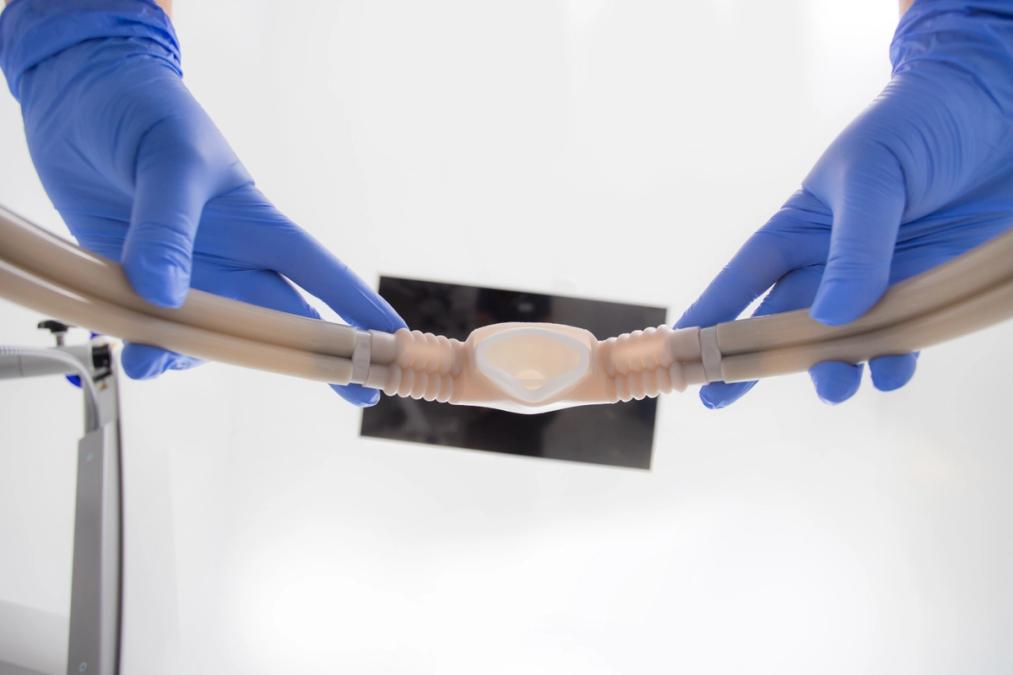
Nitrous oxide is a blend of nitrous and oxygen that you breathe through a small, comfy nose mask. Within a few minutes, most people feel lighter, warmer, and less tuned in to the sights and sounds around them. You remain awake and able to communicate. Local anesthesia still does the numbing; nitrous oxide simply lowers anxiety and discomfort so the whole visit feels smoother. When the procedure ends, you breathe pure oxygen for a few minutes. The effects wear off quickly, and most adults can drive themselves home.

Who Benefits from Nitrous Oxide?

  • People with dental anxiety or fear who want help relaxing while staying in control.
  • Those with a strong gag reflex that makes impressions, X-rays, or cleanings tough.
  • Kids and teens who are anxious or have trouble sitting still.
  • Adults with long appointments who want an easier, steadier experience from start to finish.

What You Can Expect at the Visit

You’ll review your health history first. If nitrous oxide is a good fit, the mask is placed and adjusted for comfort. You’ll hear simple instructions—breathe through your nose, and give a thumbs up if you feel okay. During your appointment, your provider checks in often, and the level of nitrous can be adjusted to keep you in a calm, safe zone. When you’re finished, the gas is turned off, oxygen is delivered, and the “fog” lifts within minutes.

Safety and Monitoring

Nitrous oxide has been used in dentistry for decades. When administered by trained professionals with proper equipment and monitoring, it’s considered a safe form of minimal sedation for many patients. You’ll still have local anesthetic where needed, and your responsiveness is preserved the entire time. Certain medical conditions, medications, or a first-trimester pregnancy may change whether nitrous oxide is appropriate; that’s why a quick, honest health review matters.

Pairing Nitrous Oxide with Practical Anxiety Strategies

  • Signal system: Agree on a hand raise to pause any time.
  • Tell-show-do: Hearing a short preview of each step can reduce uncertainty.
  • Sound control: Headphones or a podcast keep your focus elsewhere.
  • Numbing gel + slow injections: Topical gel and gentle technique help sensitive areas.
  • Short breaks: A few deep breaths reset your nervous system.

Nitrous oxide doesn’t replace compassion, communication, or good pain control—it enhances them, turning a stressful hour into something surprisingly routine.

Benefits (What Professional Guidance Emphasizes)

  • The American Dental Association (ADA) classifies nitrous oxide as minimal sedation that helps reduce anxiety and improve patient comfort while maintaining protective reflexes.
  • Pediatric and adult clinical guidelines highlight nitrous oxide’s rapid onset, adjustable depth, and fast recovery, which makes it a flexible option for short or longer visits.
  • Published research supports nitrous oxide for decreasing fear and improving tolerance for procedures like cleanings, fillings, and minor oral surgeries, with a strong safety profile when proper screening and monitoring are used.

Frequently Asked Questions

Will nitrous oxide put me to sleep? No. You stay awake, can respond, and can ask for breaks. Many people describe a floaty, warm feeling and a softer awareness of time.

Can I eat or drink beforehand? A light meal is usually fine. Avoid heavy, greasy foods right before your visit, and follow any specific instructions provided by your dental team.

What if I don’t feel relaxed enough? The flow can be adjusted. If anxiety remains high, other options—like oral sedation—may be discussed for a future visit. Nitrous oxide is a starting point that works well for many people.

Is nitrous oxide safe for kids? When appropriate and administered by trained providers, nitrous oxide is commonly used in pediatric dentistry. A parent or guardian will review consent and instructions in advance.

Real-Life Scenarios Where Nitrous Oxide Helps

  • Long-delayed cleaning: Years of avoidance become one manageable visit, with gentle scaling and frequent check-ins.
  • Sensitivity and gag reflex: Impressions or X-rays that were once impossible become doable.
  • Multiple fillings: Time passes quickly, numbness works better, and you leave feeling in control—not overwhelmed.

Taking the First Step

If dental anxiety has been holding you back, nitrous oxide offers a kinder way through. It doesn’t change who you are; it changes how the visit feels—lighter, calmer, and easier to finish. You get the care you need without white-knuckling your way through it, and that’s a win for your health, your wallet, and your peace of mind.

A Calmer Road to a Healthier Smile

Dental anxiety is real, but it’s also manageable. Nitrous oxide gives you a comfortable, controlled experience so you can keep your teeth healthy and your schedule on track. Pair it with honest communication and gentle techniques, and the dental chair stops feeling like a hurdle and starts feeling like a routine part of staying well.

Want a low-stress appointment? Contact Marlton Modern Dentistry at 856-702-0777 or visit 875 NJ-73 h, Marlton, NJ 08053 to Book an Appointment and ask about dental anxiety and nitrous oxide for your next visit.

Start Your Dental Journey With Us

Whether you’re due for a routine checkup or considering a smile transformation, we’re here to help. Dr. Rockwell and our friendly team provide personalized care for patients of all ages in a comfortable setting with TVs, headphones, and warm blankets for your comfort. Contact us today to schedule your visit.

Get a Natural Smile Refresh With Cosmetic Dentistry in Marlton, NJ

Marlton Modern Dentistry | Get a Natural Smile Refresh With Cosmetic Dentistry in Marlton, NJ

Cosmetic dentistry works best when it enhances—not replaces—your natural look. Maybe you want brighter teeth, smoother edges, or a more even smile line. Maybe you’ve noticed small chips more in photos, or your teeth look darker than they used to. The key is choosing cosmetic improvements that match your face, your personality, and your bite—so the result looks real, feels comfortable, and holds up in daily life.

At Marlton Modern Dentistry, cosmetic dentistry focuses on natural-looking results, personalized planning, and careful technique. This guide explains the most common cosmetic services— professional whitening, dental bonding, and porcelain veneers—and how to decide which option fits your goals.

Start With The Question That Matters

Before choosing a cosmetic treatment, ask: What bothers you most?

  • If it’s mainly color, start with whitening.
  • If it’s mainly shape, bonding or veneers may help.
  • If it’s multiple issues at once, veneers or a combined approach may be best.
  • If teeth are crowded, orthodontics may be the smartest first step.

Cosmetic dentistry is most satisfying when the plan matches the real cause of your concern.

Professional Teeth Whitening

Whitening is often the simplest way to refresh a smile. It targets staining from coffee, tea, wine, and time. Professional whitening is designed to be efficient and guided—especially important for patients who have sensitive teeth or want predictable results.

Who Whitening Helps Most

  • Patients with overall yellowing or surface stains
  • Patients who want a quick refresh for confidence and photos
  • Patients preparing for cosmetic work who want a brighter baseline shade

Sensitivity: What To Know

Some patients experience mild sensitivity with whitening. A personalized approach can help, including pacing, adjusting exposure, and supporting enamel comfort. If sensitivity is a concern, mention it during your consultation so we can tailor the experience.

Dental Bonding

Bonding uses tooth-colored composite resin to correct small imperfections. It’s conservative and effective when you want subtle improvement.

What Bonding Can Fix

  • Small chips and worn edges
  • Minor gaps
  • Uneven tooth length or shape
  • Localized discoloration that doesn’t respond well to whitening
  • Rough edges that catch when you floss

Bonding is a great option when you want a natural upgrade without major tooth alteration.

Why Technique Matters

Bonding looks best when shade matching, layering, and polishing are done with care. The goal is a smooth, enamel-like finish that reflects light naturally—not a flat “patch” look.

Porcelain Veneers

Veneers are thin ceramic shells bonded to the front of teeth to improve color, shape, and symmetry more comprehensively.

When Veneers Make Sense

  • Multiple teeth need consistent cosmetic improvement
  • Teeth have deep stains that don’t lighten enough with whitening
  • Shape changes are desired across several teeth
  • The smile line needs more uniformity in length and contour

Veneers can look extremely natural when designed thoughtfully, with attention to shade, translucency, and tooth anatomy.

The “Natural Look” Strategy

Natural cosmetic results come from details:

  • Choosing a believable shade
  • Preserving appropriate tooth proportions
  • Adding subtle surface texture
  • Creating edges that look like enamel, not plastic
  • Balancing the smile line with facial features

Cosmetic dentistry should never feel like a mask. It should feel like your smile—just more polished.

Sequencing Matters: Orthodontics And Whitening First

For some patients, aligning teeth first creates a more symmetrical foundation and makes whitening appear more even. Whitening before veneers or bonding can also help establish the brightest baseline for adjacent natural teeth. A consultation helps determine the smartest order.

Keeping Cosmetic Results Looking Great

Cosmetic dentistry lasts longer with:

  • Consistent brushing and between-tooth cleaning
  • Regular preventive visits
  • Avoiding ice chewing and “tooth tool” habits
  • Managing grinding patterns if they’re contributing to wear
  • Drinking water after dark beverages to reduce staining

These habits protect both natural enamel and cosmetic surfaces.

Your Next Step For A Confident Smile

If you’re ready for a brighter, more balanced smile that still looks like you, call Marlton Modern Dentistry at 856-702-0777 to Schedule a Consultation for cosmetic dentistry in Marlton, NJ.

Start Your Dental Journey With Us

Whether you’re due for a routine checkup or considering a smile transformation, we’re here to help. Dr. Rockwell and our friendly team provide personalized care for patients of all ages in a comfortable setting with TVs, headphones, and warm blankets for your comfort. Contact us today to schedule your visit.

Get a Real Tooth Feel With Dental Implants in Marlton, NJ

Marlton Modern Dentistry | Get a Real Tooth Feel With Dental Implants in Marlton, NJ

A missing tooth changes more than your smile. It changes how you chew, how your jaw distributes force, and how neighboring teeth hold position over time. Many patients don’t realize how much they’ve adapted until they replace the tooth—and suddenly eating feels easier, smiling feels more natural, and they stop thinking about that gap entirely.

That’s why dental implants are one of the most trusted tooth replacement options. They replace the root and the visible tooth with a stable, natural-looking solution. At Marlton Modern Dentistry, implant care is planned with modern imaging and a personalized approach so you understand the timeline, the steps, and the expected outcome.

What A Dental Implant Is

A dental implant is a small post placed into the jawbone to function like a tooth root. Over time, your bone bonds with the implant. Once the implant is stable, a custom restoration is placed on top—often a crown, or in some cases, a bridge for multiple missing teeth.

Because implants anchor in bone, they feel stable and natural in a way many removable options don’t.

Why Patients Choose Dental Implants

Patients often choose implants because they want:

  • A fixed replacement that doesn’t move
  • A natural-looking tooth that blends with the smile
  • A solution that doesn’t rely on neighboring teeth for support
  • Long-term stability for chewing and comfort
  • A replacement that feels like part of the mouth, not an appliance

Many patients also appreciate that implants help maintain jawbone where a tooth is missing, which supports long-term oral structure and bite balance.

Who Can Be A Candidate?

Many adults qualify for dental implants. During consultation, we evaluate:

  • Gum health and inflammation levels
  • Bone support in the implant area
  • Medical history and medications
  • Bite forces and grinding patterns
  • The condition of neighboring teeth

Even if you’ve been missing a tooth for a while, an evaluation can still reveal good options.

The Implant Process: What To Expect

Every plan is individualized, but most implant journeys follow a sequence.

1) Consultation And Planning

We start with an exam and digital imaging. This helps us plan implant placement safely and precisely. We’ll also discuss your smile goals, functional needs, and comfort preferences.

2) Preparing The Site (When Needed)

Sometimes the site needs preparation to support ideal stability. The goal is to build the best foundation possible for long-term success.

3) Implant Placement

The implant is placed with local anesthesia so you’re comfortable. Many patients find the procedure more manageable than they expected. If anxiety is a concern, nitrous oxide sedation may help you stay calm and relaxed while remaining awake and responsive.

4) Healing And Integration

The implant needs time to integrate with bone. This is the stage that creates the strength and stability implants are known for.

5) Final Restoration

Once the implant is ready, a custom restoration is placed and adjusted for bite comfort. The final tooth is designed to match your natural smile—shade, shape, and function.

Single Tooth Vs. Multiple Teeth

Dental implants can replace one tooth with a crown, or multiple teeth with an implant-supported restoration. The right plan depends on your bite, spacing, and the number of teeth missing.

Living With A Dental Implant

Daily care for an implant is similar to natural teeth:

  • Brush twice daily
  • Clean between teeth once daily
  • Keep preventive visits consistent so gums stay healthy
  • Tell your dentist if anything feels off in your bite

If you clench or grind, protective strategies can reduce stress on restorations and support long-term comfort.

Common Questions Patients Ask

“Will The Implant Look Natural?”

Yes—custom restorations are shade-matched and designed to blend with your smile.

“Will I Have A Gap While I Heal?”

Depending on location and bite, temporary options may be used to maintain appearance during healing.

“Is The Procedure Painful?”

With local anesthesia, you should be comfortable. Mild post-procedure tenderness is common and typically manageable.

“How Long Does It Take?”

Timelines vary based on bone support and whether site preparation is needed. Your consultation will outline a clear, personalized schedule.

Why Replacing Missing Teeth Matters

When a tooth is missing, the bite can shift. Neighboring teeth can tip, opposing teeth can drift, and chewing forces can overload other teeth. Over time, this can lead to additional wear or sensitivity. Replacing missing teeth supports bite balance and long-term stability.

Your Next Step For A Complete Smile

If you’re ready to replace missing teeth with a stable, natural-looking solution, call Marlton Modern Dentistry at 856-702-0777 to Book an Appointment for dental implants in Marlton, NJ.

Start Your Dental Journey With Us

Whether you’re due for a routine checkup or considering a smile transformation, we’re here to help. Dr. Rockwell and our friendly team provide personalized care for patients of all ages in a comfortable setting with TVs, headphones, and warm blankets for your comfort. Contact us today to schedule your visit.