Single Tooth Implants in Marlton: A Natural-Looking Fix

Marlton Modern Dentistry | Single Tooth Implants in Marlton: A Natural-Looking Fix

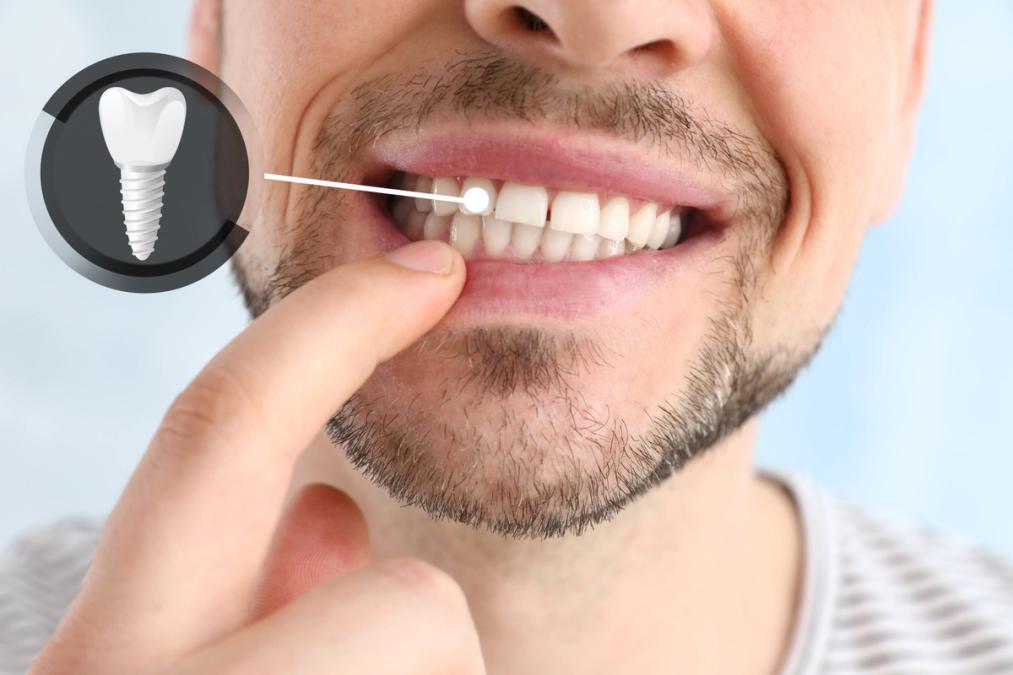
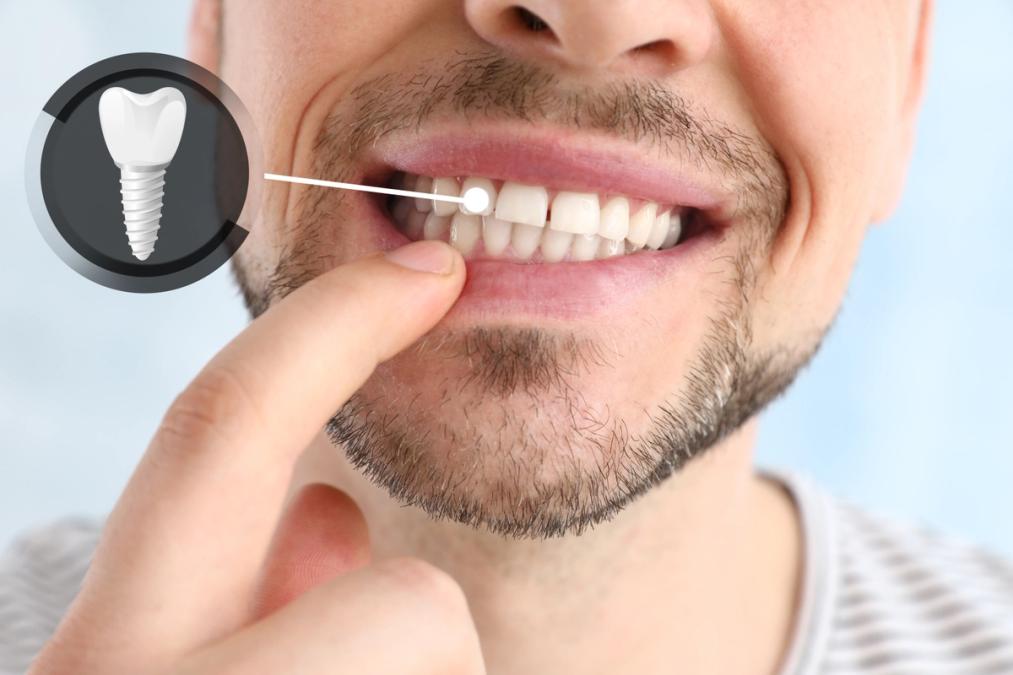
A single gap can change how you chew, speak, and smile. The good news is you don’t need a removable partial or to reshape neighboring teeth for a bridge. Single tooth dental implants replace one missing tooth root with a biocompatible post and top it with a custom crown—so your new tooth looks, feels, and functions like the real thing.

How A Single Tooth Implant Works

A dental implant is a small post that’s placed where your tooth root used to be. Over the next few weeks, your bone integrates with the implant. After this bonding phase, a connector (abutment) and lifelike crown are attached. The result is a stand-alone tooth that doesn’t rely on adjacent teeth for support and helps keep your bite balanced.

Why Choose An Implant Over A Bridge Or Partial?

  • Preserves Neighbor Teeth: No need to shave down healthy enamel to support a bridge.
  • Easy Hygiene: Brush and floss like a natural tooth—no special tools for cleaning under a pontic.
  • Bone Support: Chewing forces stimulate the jawbone and help maintain facial contours.
  • Durability: With great care, implants are designed for long-term service.

Am I A Candidate?

Most healthy adults qualify. Ideal candidates have healthy gums and adequate bone in the area; if bone is thin, grafting can often rebuild support. Controlled medical conditions and former smokers can still be candidates. A consultation with digital imaging confirms fit and timing.

Step-By-Step: The Single Implant Journey

  1. Consultation & Planning: We review your history, take scans, and map implant position precisely.
  2. Site Preparation (If Needed): If a tooth was recently removed or infection is present, we may prepare the area or place a small bone graft to support ideal healing.
  3. Implant Placement: The post is placed comfortably with local anesthesia (sedation options are available for anxious patients).
  4. Healing & Temporary: As bone integrates, you may wear a discreet temporary to maintain appearance and spacing.
  5. Abutment & Crown: A custom-matched crown is attached and adjusted for a natural look and feel.

What About Front Teeth?

Front-tooth implants require extra attention to gum contours and translucency so the restoration blends seamlessly. We plan the emergence profile—the shape the crown takes through the gum—to keep your smile line symmetrical and natural in photos and daily life.

Life With Your New Implant

Daily care is familiar: brush twice and clean between teeth once. Interdental brushes or floss can help keep the sides of the implant pristine. At checkups, we’ll evaluate your bite and polish the crown so it stays smooth and stain-resistant. If you clench or grind, a night guard protects your investment.

Common Questions

Does it hurt to get an implant? You’ll be numb for placement. Most patients report pressure rather than pain and manage post-op tenderness with simple home care.

Will I be without a tooth? Our goal is to keep you looking great throughout—temporary options preserve your smile during healing.

How long is the process? Every case varies. Your timeline depends on bone quality and whether additional procedures are needed; we’ll map a clear plan at the start.

What if I’m nervous? Sedation options help you relax while we work efficiently and gently.

Everyday Benefits You’ll Notice

  • Secure, confident biting—no slipping or shifting
  • A crown that matches your neighboring teeth in shade and shape
  • Balanced chewing, which supports jaw comfort
  • A smile that doesn’t announce “replacement tooth”

Your Next Step

Ready to replace a single missing tooth with something that looks and feels natural? Call Marlton Modern Dentistry at 856-702-0777 to Schedule a Consultation in Marlton, NJ. We’ll scan, plan, and design a custom single-tooth solution that fits your smile perfectly.

Start Your Dental Journey With Us

Whether you’re due for a routine checkup or considering a smile transformation, we’re here to help. Dr. Rockwell and our friendly team provide personalized care for patients of all ages in a comfortable setting with TVs, headphones, and warm blankets for your comfort. Contact us today to schedule your visit.


Sedation Dentistry in Marlton, NJ: Get Care Comfortably

Marlton Modern Dentistry | Sedation Dentistry in Marlton, NJ: Get Care Comfortably

If going to the dentist makes you feel tense, overwhelmed, or downright fearful, you’re not alone. Dental anxiety is extremely common, and it can keep even the most health-conscious people from getting the care they need. The good news is that modern dentistry has comfort solutions that make visits feel easier—without sacrificing safety or communication.

At Marlton Modern Dentistry, sedation dentistry is centered around nitrous oxide sedation (often called “laughing gas”). This gentle, adjustable option can help you feel calm during treatment while you remain awake and responsive. In this guide, you’ll learn how nitrous oxide works, who it’s best for, what your visit feels like, how to prepare, and how to get the most comfortable experience possible.

What Sedation Dentistry Means At Marlton Modern Dentistry

Sedation dentistry isn’t about “being knocked out.” Instead, it’s about reducing stress and helping your body relax so you can receive treatment comfortably. At Marlton Modern Dentistry, the sedation option referenced on the services page is nitrous oxide sedation—a minimal, inhaled form of sedation used to ease anxiety and improve tolerance for dental care.

Because nitrous oxide is fast-acting and adjustable, it can be used for many types of appointments, from routine care to longer restorative visits. It’s especially popular for patients who want a calmer experience but also want to stay aware and in control.

What Is Nitrous Oxide Sedation?

Nitrous oxide is a colorless gas mixed with oxygen and inhaled through a small mask worn over your nose. As you breathe normally, the calming effects begin quickly. Many patients describe feeling:

  • More relaxed and less tense
  • Less focused on sounds and sensations
  • More comfortable staying in the chair
  • Less bothered by dental “timing” (appointments feel shorter)

One of the biggest benefits of nitrous oxide is that it can be adjusted in real time. If you need a little more relaxation, the level can be increased. If you feel ready to reduce it, it can be decreased. That flexibility is a major reason it’s widely used.

Who Benefits Most From Nitrous Oxide Sedation?

Nitrous oxide can help many different kinds of patients, including:

Patients With Dental Anxiety

If your mind tends to spiral at the thought of dental work—worrying about discomfort, sounds, or past experiences—nitrous oxide can quiet that stress response and help you feel calmer throughout the visit.

Patients With A Strong Gag Reflex

A sensitive gag reflex can make dental care feel frustrating or impossible. Nitrous oxide often helps relax the body and reduce that reflex so treatment is easier.

Patients Who Feel “Overly Aware” During Treatment

Some people don’t fear dentistry, but they dislike the sensation of being hyper-aware of every sound or movement. Nitrous oxide can soften that awareness so the appointment feels more manageable.

Patients Facing Longer Visits

When treatment takes more time, staying relaxed becomes more important. Nitrous oxide can help you remain comfortable for the full length of the appointment.

Patients Returning After A Long Break

If it’s been a while since your last visit and you’re worried about judgment or overwhelmed by getting started, nitrous oxide can make the first few appointments feel less intimidating and more positive.

What A Nitrous Oxide Visit Feels Like

Every patient’s experience is a little different, but many describe nitrous oxide as a “gentle calm.” You remain awake and can respond to questions, but your body feels more relaxed.

Here’s what you can typically expect:

  1. The Mask Goes On

A small mask is placed over your nose. You’ll breathe normally.

  1. Relaxation Begins Quickly

Many patients feel calmer within minutes. You may notice a light, warm, or floaty sensation, or simply feel less tense.

  1. Treatment Feels Easier

You can still communicate and follow simple instructions, but anxiety and discomfort feel less “front and center.”

  1. Recovery Is Quick

After treatment, the nitrous oxide is turned off and you breathe oxygen for a short period. Most patients feel clear-headed quickly.

If you’re someone who worries about feeling “out of control,” nitrous oxide is often a reassuring option because you remain aware and can communicate throughout.

How Nitrous Oxide Supports Comfort During Treatment

Nitrous oxide works best as part of a broader comfort-first approach. In most cases, sedation pairs with:

  • Local anesthesia to numb the treatment area
  • Gentle technique and clear communication
  • Planned pauses when you need them
  • Simple signals so you can ask for a break

Many anxious patients find that the combination of numbness plus nitrous oxide is what finally makes dentistry feel tolerable—sometimes even easy.

How To Prepare For Your Appointment

To make your nitrous oxide visit smooth, keep these practical tips in mind:

Eat Lightly Unless Told Otherwise

A light meal a few hours before treatment is often recommended. A heavy meal right before can increase the chance of mild nausea for some people. If your care plan has specific instructions, follow those.

Wear Comfortable Clothing

Relaxed, non-restrictive clothing helps you feel comfortable in the chair—especially around the neck and chest.

Share Your Triggers

Tell your dental team what makes you anxious (needles, sounds, gagging, feeling rushed, etc.). When we know your triggers, we can adjust the experience to support you.

Ask About Music Or Headphones

If sound is a trigger, headphones can help. A calming playlist can make the visit feel shorter and less stressful.

What If You’re Nervous About “Feeling Weird”?

That’s a common question. Nitrous oxide typically doesn’t feel intense. It’s meant to take the edge off—not overwhelm you. If you ever feel uncomfortable, the level can be reduced. That adjustability helps many patients feel safer trying it.

Also, it’s normal to feel a little silly about being anxious. But anxiety isn’t a character flaw—it’s a nervous system response. The goal is to make care accessible and comfortable, not to “tough it out.”

Common Questions Patients Ask

“Will I Be Asleep?”

No. With nitrous oxide, you remain awake and able to respond.

“Will I Feel Pain?”

Nitrous oxide reduces anxiety and discomfort sensitivity, but treatment comfort typically also relies on local anesthesia to numb the area.

“Can I Stop Anytime?”

Yes. You can request a pause at any time. Nitrous oxide is designed to support comfort, not remove control.

“Is It Only For Big Procedures?”

Not necessarily. Some patients use nitrous oxide for routine visits if anxiety is a barrier. Others save it for longer or more involved appointments. Your comfort plan can be tailored.

“What If I Have A Strong Gag Reflex?”

Nitrous oxide can help relax the body and reduce gagging for many patients. Let your team know this is a concern so we can plan accordingly.

How To Make Your Dental Visits Easier Over Time

Sedation can be a bridge to better long-term habits. Many patients find that once they’ve had a calm, successful visit, their baseline anxiety drops. Here are a few ways to build momentum:

  • Keep your next visit scheduled before you leave
  • Choose morning appointments if you feel less anxious earlier in the day
  • Practice a simple breathing routine on the way in
  • Bring a supportive friend to drive you if that reduces stress (even if you don’t need it)
  • Celebrate small wins—showing up counts

The goal is not perfection. The goal is progress and consistency.

Your Next Step

If anxiety has been holding you back, you deserve a calmer way forward. Call Marlton Modern Dentistry at 856-702-0777 to Schedule a Consultation for nitrous oxide sedation dentistry in Marlton, NJ—and let’s make your next visit feel comfortable and manageable.

Start Your Dental Journey With Us

Whether you’re due for a routine checkup or considering a smile transformation, we’re here to help. Dr. Rockwell and our friendly team provide personalized care for patients of all ages in a comfortable setting with TVs, headphones, and warm blankets for your comfort. Contact us today to schedule your visit.

Same Day Emergency Dentist Appointments — What to Do When Teeth Can’t Wait

Marlton Modern Dentistry | Same Day Emergency Dentist Appointments — What to Do When Teeth Can’t Wait

When a tooth cracks at lunch or a soccer ball clips your mouth, you don’t need a lecture—you need help now. Same day emergency dentist appointments exist for exactly these moments. Quick triage, fast comfort, and a plan you can trust turn a rough day into a manageable one.

What Counts as a Dental Emergency?

  • Severe toothache or facial swelling
  • Knocked-out (avulsed) adult tooth
  • Broken, cracked, or dislodged tooth
  • A lost crown or filling with pain or sharp edges
  • Injury to lips, cheeks, or gums that won’t stop bleeding
  • Dental infection with fever, bad taste, or swelling

If you’re unsure, call. Describing symptoms helps the team decide whether same day emergency dentist appointments are right for you or if an urgent care or ER visit is safer—for example, if you have heavy bleeding, trouble breathing, or facial trauma.

First Aid at Home (Then Call)

  • Tooth knocked out: Hold by the crown (not the root), gently rinse, and try to place it back. If you can’t, store it in milk or saliva and get to the dentist quickly.
  • Temporary relief for toothache: Rinse with warm salt water, take over-the-counter pain relievers as labeled, and avoid extreme temperatures.
  • Broken tooth or lost filling: Keep the area clean; dental wax can cover a sharp edge until your visit.
  • Swelling from infection: Do not apply heat. Call immediately; infections can spread.

These steps don’t fix the problem, but they buy you time and protect tissues until same day emergency dentist appointments get you proper care.

What to Expect at a Same-Day Visit

  1. Triage and numbing: Comfort first—numbing gel and local anesthesia calm the crisis.
  2. Diagnostics: Targeted X-rays and photos show what happened beneath the surface.
  3. Stabilize the problem: Smooth sharp edges, place a medicated filling, re-cement a crown, or start root canal therapy if infection is present.
  4. Plan the next steps: You’ll leave knowing what’s fixed today and what needs follow-up (a crown, a full repair, or a scheduled extraction if the tooth can’t be saved).

The goal is to stop pain, control infection, and keep as much natural structure as possible.

Common Emergencies and How They’re Handled

  • Severe decay with pain: A nerve-calming medication or immediate root canal can relieve the ache; a protective temporary restores function.
  • Cracked tooth: Bonding or a crown can stabilize the crack; deep vertical cracks may need extraction.
  • Knocked-out tooth: Reimplantation is best within the first hour; splinting stabilizes the tooth while the ligament heals.
  • Broken denture or retainer: Often repaired or adjusted on the spot; a lab fix may be arranged if needed.

Benefits (What Professional Guidance Highlights)

  • The American Dental Association (ADA) encourages urgent evaluation for avulsed teeth and severe pain to improve outcomes and prevent complications.
  • Endodontic guidance notes that timely treatment of infections and traumatic injuries raises the chance of saving the tooth and avoiding spread.
  • Clinical recommendations emphasize that early stabilization reduces the risk of further fracture and speeds long-term recovery.

Payment, Insurance, and Practical Tips

Bring your ID and insurance card if you have one. Many offices offer flexible financing for emergency care; the focus is comfort first, paperwork second. If you take medications or have medical conditions, a quick list helps the team choose safe anesthetics and prescriptions.

Timing Really Matters for Knocked-Out Teeth

If an adult tooth is avulsed, immediate action changes the outcome. Reimplantation within 30–60 minutes gives the periodontal ligament cells the best chance to survive. Handle the tooth only by the crown, avoid scrubbing the root, and keep it moist in milk or a tooth-preservation solution if you can’t reinsert it. Baby teeth are different—don’t try to place a primary tooth back in the socket; call for guidance instead.

Pain Control Do’s and Don’ts

  • Do use acetaminophen or ibuprofen as labeled for discomfort if you’re able to take them safely.
  • Don’t put aspirin directly on the gum—this can burn the tissue and make pain worse.
  • Do use a cold compress on the outside of the cheek in 10-minute cycles for swelling.
  • Don’t ignore spreading swelling or fever; those can be signs of infection that needs prompt care.

Information to Share When You Call

Have the tooth number or area if you know it (upper right molar, front left, etc.), a quick description of what happened, and any medications or allergies. If you’re calling for a child, mention tetanus status for cuts and how long it’s been since the injury. Clear details help the team reserve the right block for same day emergency dentist appointments.

Sedation and Anxiety Support

Emergencies spike stress. Many offices offer nitrous oxide for quick relaxation or, when needed, oral sedation for longer urgent visits. Calmer patients breathe better, numb easier, and heal smoother—comfort helps outcomes.

After-Hours and Weekend Tips

If the office is closed, many practices monitor messages and list emergency numbers. For uncontrolled bleeding, difficulty breathing, or significant facial trauma, seek ER care first. Otherwise, leave a detailed message— same day emergency dentist appointments are often prioritized the next business morning.

Why Fast Care Protects Your Future

Quick stabilization reduces the chance of root fractures, infection spread, and tooth loss. It also lowers costs by limiting the cascade from “small problem” to “big repair.” In short, minutes matter—call early, and let a pro help you through the worst of it.

In pain right now? Call Marlton Modern Dentistry at 856-702-0777 or come to 875 NJ-73 h, Marlton, NJ 08053 to Schedule a Consultation—we prioritize same-day care whenever possible.

Start Your Dental Journey With Us

Whether you’re due for a routine checkup or considering a smile transformation, we’re here to help. Dr. Rockwell and our friendly team provide personalized care for patients of all ages in a comfortable setting with TVs, headphones, and warm blankets for your comfort. Contact us today to schedule your visit.

Root Canals 101 — Save Your Natural Tooth with Less Stress

Marlton Modern Dentistry | Root Canals 101 — Save Your Natural Tooth with Less Stress

Toothache that wakes you at night? A sip of cold that sends a lightning bolt through your jaw? When the nerve inside a tooth gets inflamed or infected, pain can take over your day. Root canals 101 is the simple idea that saving a natural tooth is often better than losing it. With modern techniques, it’s routine, efficient, and far more comfortable than its reputation suggests.

What a Root Canal Actually Is

A root canal treats the soft tissue (pulp) inside your tooth. When decay, cracks, or deep trauma irritate that tissue, it swells inside a space with no room to expand. That pressure triggers sensitivity, pain to chewing, or lingering ache. During a root canal, a clinician numbs the area, creates a small opening, gently cleans the canals with tiny instruments, disinfects the space, and seals it to keep bacteria out. The goal of root canals 101 is simple: remove infection, stop pain, and keep the outer structure so your tooth can work like it should.

Signs You Might Need Treatment

  • Lingering pain with hot or cold (more than a few seconds)
  • Pain when chewing or tapping on the tooth
  • Swelling or a pimple-like bump on the gums
  • Deep decay or a failed, very large filling
  • A tooth that darkens after a hit or accident

These signs don’t always mean a root canal is required, but they’re strong reasons to get an exam and X-ray. Catching problems early often means simpler, more predictable care.

Step-by-Step: What to Expect

  1. Comfort first: Profound local anesthesia and numbing gel help you settle in. Most patients feel pressure, not pain.
  2. Access and cleaning: A small opening allows the dentist to reach the canals, where delicate files remove inflamed tissue and bacteria.
  3. Irrigation and sealing: Antibacterial solutions disinfect areas brushes can’t touch, and a biocompatible material seals the canals.
  4. Protection on top: Many back teeth benefit from a crown after root canals 101 to prevent future cracks and restore full strength.

Visits are typically one to two appointments. Most people return to normal routines the same day with over-the-counter pain relief, if any is needed at all.

Comfort, Recovery, and Myths

You’ll likely notice fast relief of the deep, throbbing pain. Some tenderness to chewing can last a few days as the surrounding ligament calms down—think “bruised” more than “injured.” One myth worth clearing: root canals don’t “kill” a tooth. They remove irritated tissue and bacteria inside; the tooth structure remains very much alive in your bite when protected with a proper restoration.

Alternatives and When They Make Sense

If the crack is vertical or the tooth can’t be sealed well, extraction may be the safer choice. In that case, options include an implant, a bridge, or a partial denture. Root canals 101 means honest planning: save the tooth when it can function for years, and choose a replacement when it can’t.

Benefits (What Professional Guidance Supports)

  • The American Association of Endodontists (AAE) emphasizes that root canal therapy relieves pain and helps keep natural teeth, which support chewing and jawbone health.
  • The American Dental Association (ADA) notes high success and patient satisfaction when treatment is followed by a proper restoration.
  • Clinical literature supports crowns on many posterior teeth after treatment to reduce fracture risk and extend longevity.

How to Protect a Tooth After Treatment

  • Get the final restoration on time: A well-fitting filling or crown seals out bacteria and stabilizes the tooth.
  • Respect your bite: Avoid chewing hard objects like ice or pens. If you grind at night, a guard helps.
  • Keep cleanings and exams: Professional maintenance spots small issues before they grow.
  • Brush and floss daily: The outside of the tooth can still get cavities if plaque sits undisturbed.

FAQs You’re Probably Thinking About

Will the tooth feel different? It should feel normal in your bite once tenderness fades. There’s no nerve inside, but the tooth is anchored by a living ligament, so it still feels pressure.

How long does a root canal last? With a quality seal, a protective crown when indicated, and consistent home care, a root-canal-treated tooth can serve for many years.

Is it better to pull the tooth? Keeping a natural tooth—when possible—helps maintain alignment, chewing efficiency, and bone. Pulling a tooth often leads to more involved (and costly) replacement later.

Why Saving the Tooth Matters

Keeping your natural tooth keeps your bite balanced. Pulling a tooth creates a gap that neighboring teeth tip into and the opposing tooth may drift down, changing your chewing pattern and sometimes causing jaw discomfort. A well-done root canal plus a protective crown usually costs less and takes fewer visits than extracting the tooth and replacing it with a bridge or implant. In short, if the tooth can be predictably saved, that’s often the most conservative choice for your mouth and your budget.

Timeline, Foods, and Aftercare Tips

Most patients go back to normal routines the same day. Stick with softer foods for 24 hours—eggs, yogurt, pasta—then return to your usual diet as tenderness fades. Avoid chewing ice or hard candy on any tooth (root-canal-treated or not); those habits create micro-cracks over time. If you’re prescribed antibiotics, take them as directed and finish the course. Over-the-counter pain relievers, taken as labeled, usually cover the short healing window.

Special Situations: Retreatment and Apicoectomy

Occasionally, a tooth treated long ago can flare up if new decay sneaks under a filling, a crack forms, or a complex canal was missed. Retreatment can reopen and disinfect the canals. If anatomy makes retreatment difficult, a minor surgical option called an apicoectomy can clean the tip of the root from the outside and place a small seal—another tool to keep your natural tooth in play.

Cost and Value in Perspective

Comparing options fairly matters. Extraction may seem simpler, but closing the space with a bridge or implant adds time and cost. Root canals 101 reminds us to account for everything: comfort, function, and the expense of replacing what’s lost. Many people find that saving a restorable tooth offers the best mix of predictability and value.

A Calmer Path to Relief

Tooth pain is draining, but you’re not stuck. Root canals 101 offers a reliable way to stop infection, preserve your natural tooth, and get back to eating and smiling without the constant ache. That’s the win: less pain today and a stronger mouth tomorrow.

Need fast relief? Contact Marlton Modern Dentistry at 856-702-0777 or visit 875 NJ-73 h, Marlton, NJ 08053 to Book an Appointment and get a clear, same-week plan for lasting comfort.

Start Your Dental Journey With Us

Whether you’re due for a routine checkup or considering a smile transformation, we’re here to help. Dr. Rockwell and our friendly team provide personalized care for patients of all ages in a comfortable setting with TVs, headphones, and warm blankets for your comfort. Contact us today to schedule your visit.

Dental Implants In Marlton, NJ: What To Expect From Consultation To Confident Bite

Marlton Modern Dentistry | Dental Implants In Marlton, NJ: What To Expect From Consultation To Confident Bite

A missing tooth can feel like a small thing—until you notice yourself chewing on one side, avoiding certain foods, or smiling with your lips closed in photos. Over time, a gap can also affect nearby teeth and the jawbone underneath. That’s why dental implants are such a popular solution: they replace the missing tooth’s root and crown in a way that feels stable, natural, and long-lasting.

At Marlton Modern Dentistry, dental implants are planned with modern digital tools and a comfort-first approach, so you know exactly what’s happening at every step. In this guide, you’ll learn what implants are, who they’re for, the typical timeline, and how to care for them for the long haul.

What A Dental Implant Is (In Simple Terms)

A dental implant is a small post—most commonly titanium—that’s placed into the jawbone to act like a tooth root. After placement, your bone naturally integrates with the implant over time. Once the implant is stable, a custom restoration (like a crown or bridge) is attached to restore your smile and function.

The reason implants feel so “real” is that they don’t just fill a gap. They restore the foundation, which supports comfortable chewing and helps keep your smile balanced.

Why Patients Choose Implants

Patients often consider implants because they want a replacement that:

  • Doesn’t move when eating or speaking
  • Looks natural next to neighboring teeth
  • Protects nearby teeth (unlike some options that rely on adjacent teeth for support)
  • Helps preserve jawbone where a tooth is missing
  • Feels like part of your mouth, not an appliance you have to manage

If you want a solution that’s stable and low-maintenance day-to-day, implants are often a strong fit.

Who Is A Candidate For Dental Implants?

Many adults are good candidates, but a consultation is the right place to confirm. Factors we evaluate include:

  • Gum health: Healthy, stable gums support long-term success.
  • Bone support: Adequate bone helps anchor the implant; if bone is limited, there are often ways to improve the foundation.
  • Overall health: Healing ability matters, so we’ll review medical history and medications.
  • Lifestyle factors: Habits like clenching/grinding can influence how we protect and maintain your results.

Even if you were told “years ago” you weren’t a candidate, technology and techniques have advanced significantly. A modern evaluation can provide clearer options.

The Implant Timeline: What Usually Happens

Every patient’s plan is personalized, but most implant journeys follow a familiar sequence.

1) Consultation And Digital Planning

We begin with a comprehensive evaluation, including digital imaging as needed. This lets us see bone levels, identify anatomical landmarks, and plan implant placement with accuracy. You’ll also discuss your goals—appearance, function, timing, and comfort preferences—so we can design a plan that fits real life.

2) Preparing The Site (If Needed)

Sometimes an implant site needs a little preparation before placement. For example, if a tooth was recently removed or the area has been missing a tooth for a while, we may plan steps to create the best foundation. The purpose of preparation is simple: make sure the implant has the support it needs for long-term stability.

3) Implant Placement

Implant placement is typically performed with local anesthesia so you’re comfortable. Many patients are surprised by how manageable it feels. You may feel pressure, but you shouldn’t feel pain. If anxiety is part of your experience, nitrous oxide sedation can help you stay calm and relaxed during the appointment.

After the implant is placed, the area begins healing. In many cases, a temporary tooth option can keep the area looking natural while the implant integrates—especially for teeth in the smile zone.

4) Healing And Integration

Your jawbone needs time to integrate with the implant. During this phase, you’ll follow specific care instructions and attend check-ins as needed. Think of this as “building the foundation.” Once the foundation is strong, the visible tooth portion can be completed.

5) Final Restoration (Crown Or Bridge)

When the implant is ready, a custom restoration is placed and adjusted for comfort and bite balance. The goal is for it to feel like a natural tooth—comfortable, stable, and easy to use.

Front Tooth Vs. Back Tooth Implants

Not all implants are planned the same way.

Front Tooth Implants

Aesthetic details matter more in the front. We plan for:

  • Natural gum contours
  • Symmetry with neighboring teeth
  • Shade matching and translucency
  • The way the tooth “emerges” through the gumline

Back Tooth Implants

Back teeth handle heavier chewing forces. We focus on:

  • Durable bite support
  • Proper contact points to prevent food trapping
  • Balanced bite forces to protect the implant and surrounding teeth

Both can look and feel natural—the planning just emphasizes different priorities.

What It Feels Like To Live With An Implant

A well-restored implant doesn’t require special daily routines. You’ll:

  • Brush twice daily
  • Clean between teeth once daily (floss or interdental tools)
  • Keep routine preventive visits so we can check gums and stability
  • Let us know if anything feels “high” or off in your bite

If you clench or grind, a protective plan can help prevent excessive wear on restorations and keep your bite balanced over time.

Common Questions Patients Ask

“Is The Procedure Painful?”

With local anesthesia, you should be comfortable during the procedure. Mild tenderness afterward is common, but many patients find it manageable with simple care and rest.

“Will I Have A Gap While I Heal?”

Not necessarily. Temporary options can often maintain your appearance while healing occurs. Your plan depends on the location and your bite.

“How Do I Clean Around An Implant?”

Just like natural teeth—consistent brushing and between-tooth cleaning are the key. We’ll show you techniques and tools that make it easy and comfortable.

“How Long Do Implants Last?”

Implants are designed for long-term function. Like natural teeth, longevity depends on daily care, gum health, and routine checkups.

What Makes Implant Success More Predictable

While each patient is unique, the most reliable implant outcomes share a few habits:

  • Keeping gums healthy with consistent preventive care
  • Cleaning thoroughly at home (especially between teeth)
  • Addressing clenching/grinding with protective solutions
  • Following post-treatment instructions closely
  • Staying consistent with routine exams and cleanings

When you treat your implant like a natural tooth—carefully, consistently—it tends to perform like one, too.

Your Next Step

If you’re ready to replace missing teeth with a stable, natural-looking solution, call Marlton Modern Dentistry at 856-702-0777 to Schedule a Consultation in Marlton, NJ.

Start Your Dental Journey With Us

Whether you’re due for a routine checkup or considering a smile transformation, we’re here to help. Dr. Rockwell and our friendly team provide personalized care for patients of all ages in a comfortable setting with TVs, headphones, and warm blankets for your comfort. Contact us today to schedule your visit.